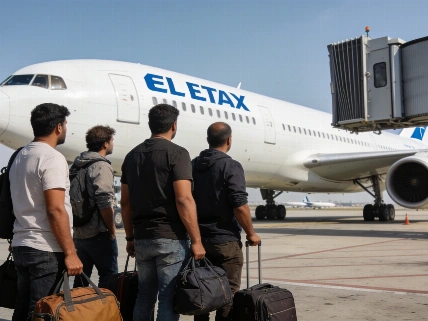
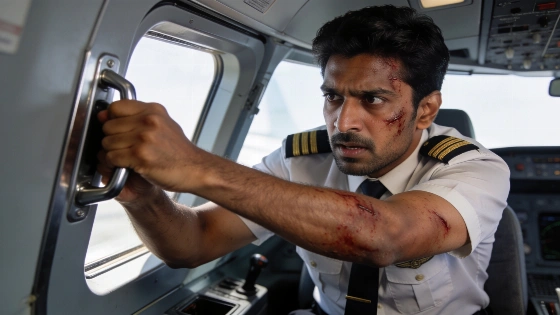
Captain Smit Machchhar had seconds to act. The cockpit door shook. Blood ran down his arm. On flight FZ1073 from Dubai to Tel Aviv, chaos broke out at 30,000 feet. Machchhar was stabbed inside the cockpit. He had to make a choice. The plane carried 174 people. It was forced to divert to Tabuk, Saudi Arabia. The jet landed safely after the struggle in the cockpit. Reuters and BBC both confirmed the details.
Machchhar later spoke to Indian Prime Minister Narendra Modi. He described fighting for his life. He remembered the moment he realized the plane was dropping. "While lying on the floor, I felt the plane was descending. I told myself I had to get up. Despite the blows I received, I managed to open the cockpit door and call for help." Israeli officials said the jet plunged almost 14,000 feet-4,267 meters-in less than 30 seconds. Control was regained just in time. The danger was real.
Critical moments inside the cockpit
Machchhar's story shows how fast things can change in the air. He did not act alone. Others stepped in to help. "I was trying to save my life, but I knew I could not allow others to die," he said. Crew members responded quickly. Machchhar managed to open the cockpit door and alert them. That move brought help before things got worse. It saved lives.
After the emergency landing, Saudi authorities detained the suspect. The attacker was an Omani national, according to the BBC. The UAE attorney general said the case is being investigated as a possible "terrorist act." The motive is still unclear. Flydubai suspended flights to and from Israel while the investigation continues. The airline said safety comes first. The Dubai Media Office pointed to ongoing cooperation between UAE, Saudi, and Israeli officials after the attack.
Aftermath and recovery outlook
Machchhar is now focused on recovery. He knows it will take time. He called his rehabilitation a journey. He believes he will heal fully. "I see my injuries as a rehabilitation journey that needs patience and time, and I look forward to gradually regaining my health," he said. Emirates News Agency (WAM) reported that Machchhar was treated in a Tabuk hospital. He was later airlifted to Abu Dhabi. His condition is stable. He is still under medical care.
This is not the first time Flydubai has faced danger in the air. Earlier reports show the airline has dealt with emergencies before. These events raise tough questions about safety and who has legal authority. The latest attack puts the spotlight on the crew's quick thinking. The UAE's aviation rules, set by the General Civil Aviation Authority, are strict. The Dubai Economic Agenda D33 backs ongoing investment in safety and crisis response. Standards are high across the region.
Machchhar's account is a blunt reminder. Airline crews face real danger. His actions, and those of his team, stopped a tragedy. Training and teamwork matter. The margin for error is razor thin. The industry must keep cockpit security and crew readiness at the top of the list. The UAE Ministry of Economy says new policy reforms and infrastructure spending will make the country even stronger as a global aviation hub.