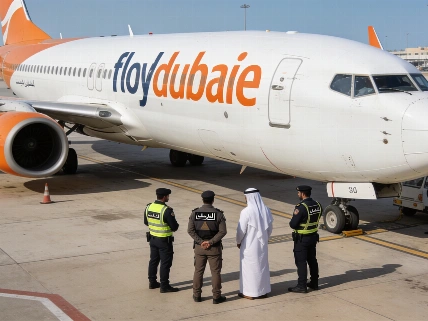
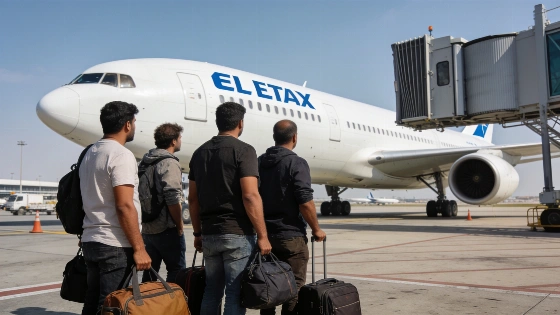
El Al pulled the plug on its Dubai evacuation flights overnight. The airline could not get the green light from UAE aviation officials. About 1,800 Israelis are now stuck in Dubai. That number comes from The Media Line and regional aviation sources. The whole operation faces another day of delay. Cross-border flights in the Gulf are never simple.
Israeli and Emirati officials spent hours in talks. Still, the needed landing permissions never came through. El Al had its first plane ready to go. It never left the ground. All other flights were canceled too. Israir never even opened ticket sales. Arkia waited for a last-minute yes, even if it meant flying after the start of the Jewish Sabbath. The Dubai Media Office later said the UAE General Civil Aviation Authority was working with all sides to fix the problem. Dubai wants to keep its reputation as a top aviation hub.
Evacuation plans unravel amid regulatory hurdles
The cancellation caught many off guard. Just hours earlier, Israel's Ministry of Transport said evacuation flights would start Friday. There would be some delays for security checks and final prep. The ministry said it was still working with UAE officials to get the flights moving. They stressed how much both countries rely on cooperation, especially after the Abraham Accords and with the UAE Vision 2031 in mind. Israelis in Dubai were told to stay in touch with their airlines and watch for updates. The rules kept changing.
Signs of trouble showed up Thursday. At 13:30, Emirates, which owns flydubai, stopped letting passengers headed for Israel board flights to Dubai from other countries. Israelis in places like Thailand could not use Dubai as a stopover to reach Tel Aviv. They had to stay put. After more talks, Israeli officials and Emirates reached a deal. Emirates would restart Dubai-Israel flights once Israeli airlines were flying direct again. The episode showed how closely regional airlines are linked. It also showed why strong rules matter. Recent WAM state news agency reports have covered how the aviation sector is trying to stay resilient.
Security conditions and last-minute changes
By Thursday night, things got even messier. Israeli Transport Minister Miri Regev, security teams, and Emirati officials met. They agreed to start evacuation flights Friday morning. El Al rolled out a special plan to bring Israelis home. The airline offered a $249 "Lite" ticket, which included a wheeled cabin bag. The first flight, LY974, was set for 11:00 from Dubai to Tel Aviv. LY972 would follow at 13:00. El Al warned that plans could change if security or rules shifted. Outbound flights from Tel Aviv would fly empty to Dubai.
At 18:30, UAE officials changed the rules again. Organizers were told passengers could not bring any luggage. Hours later, landing permits were pulled. The flights were stopped just before takeoff. Talks dragged on through the night. By Friday morning, El Al had to cancel everything. The evacuation was off. The National reported that UAE aviation regulators have recently put in tougher security rules for all foreign airlines. The region is tightening compliance standards.
Broader impact and industry implications
This sudden stop to Israeli evacuation flights is just the latest in a string of flight disruptions in the region. Not long ago, a reported earlier flydubai flight had to divert to Tabuk. That case showed how tricky the legal and operational rules are for airlines flying between Israel and the Gulf. The UAE's aviation sector, run by the General Civil Aviation Authority and tied to the Dubai Economic Agenda D33, keeps pushing for safety and rule-following. The goal is to draw in more foreign investment and keep Dubai a global transit point.
This episode shows how fragile cross-border flight deals can be. One rule change can wreck even the best-laid plans. Israelis stuck in Dubai now face confusion and shifting rules. For airlines, the lesson is blunt. Without clear, agreed rules between countries, even routine flights can fall apart overnight. Until both sides set up more predictable systems, airlines and travelers will keep facing sudden stops and red tape. Dubai Media Office briefings say the city is still working to build stronger aviation partnerships and keep flights running for everyone involved.