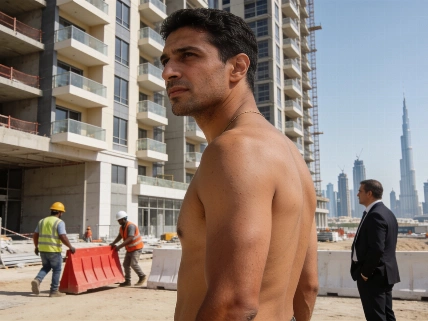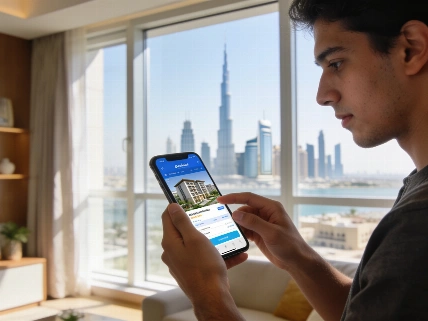


A proposal to introduce a unified property contract and establish a dedicated real estate authority could reshape Dubai's property market by balancing developer and buyer rights, improving project oversight, and boosting investor confidence.
Dubai's property market faces a pivotal moment as calls intensify for a unified contract system and a dedicated real estate authority to protect buyers from unchecked developer power. The current lack of standardisation and oversight leaves buyers exposed to ambiguous terms, shifting obligations, and inconsistent project delivery.
At the heart of the debate is the proposal for a single, pre-approved contract template for all major property developments. Advocates argue this would eliminate the labyrinth of developer-drafted agreements that often bury buyers in legalese and tip the scales in favour of the seller. Instead, a unified contract would clearly define each party's rights and obligations, with only project-specific details-such as unit size and project name-varying from deal to deal.
Why buyers are demanding change
Buyers in Dubai's off-plan market are effectively investors, funnelling significant capital into projects with the expectation of timely delivery and quality standards. Yet, without robust regulatory oversight, many find themselves at the mercy of developers who control project funds, set maintenance fees, and dictate delivery timelines. Existing contracts frequently grant developers sweeping rights while saddling buyers with the bulk of the risk.
Discrepancies in unit sizes, vague handover dates, and unclear service charge calculations are common complaints. Some contracts even reference approximate areas, leading to disputes when delivered units fall short of what was promised. The absence of a central authority to verify project progress, financial health, and compliance only compounds buyer vulnerability.
The case for a real estate authority
Proponents of reform are pushing for the creation of a specialised real estate authority with the power to classify developers and consultants, monitor project finances, and enforce quality standards. Such a body would track developer solvency, ensure maintenance funds are used appropriately, and intervene in stalled or delayed projects. Crucially, it would also serve as an independent arbiter for disputes, giving buyers a clear path to recourse when problems arise.
The authority's remit would extend to auditing project progress, verifying that unit sizes match contractual promises, and ensuring that each property is linked to its official permits and a unique code. This would allow for transparent calculation of service charges and facilities, protecting both developers' and buyers' interests.
Market impact and investor confidence
Dubai's property sector has attracted substantial foreign and expatriate investment, but the numbers still lag behind global benchmarks. In 2025, foreign and overseas Egyptian investment in Egypt's real estate market reached around $2 billion-a figure dwarfed by Dubai's $180 billion in foreign property sales the same year. The disparity highlights the untapped potential if regulatory confidence can be strengthened.
Implementing a unified contract and establishing a real estate authority would send a clear signal to both local and international investors: Dubai is serious about transparency, accountability, and long-term market stability. This could unlock new waves of investment and accelerate the city's property sector growth.
Dubai's property market stands at a crossroads. Without decisive regulatory action, buyers will continue to face uncertainty and risk, undermining the city's ambitions as a global investment destination. The case for a unified contract and a dedicated real estate authority is not just about paperwork-it is about restoring balance, protecting capital, and ensuring Dubai's property boom delivers for everyone, not just the developers. The time for half-measures is over; only robust, enforceable standards will secure the trust and investment Dubai needs to sustain its growth.