
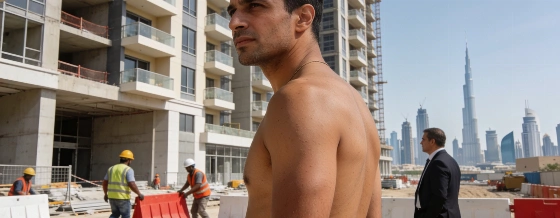
Dubai's property sector is racing ahead with a record number of completed projects and soaring investment, even as developers brace for a sharp increase in new housing supply and shifting buyer sentiment amid regional volatility.
Dubai's real estate market is not slowing down. In the first half of 2026, developers delivered 104 completed projects-a staggering 38% increase over the previous year-while total investment value surged to more than AED 111 billion, up 52%. This momentum comes even as the sector stares down a wave of new supply and unpredictable regional headwinds.
Developers are betting big on continued demand, but the numbers reveal a looming challenge. The volume of new residential units in Dubai jumped 36% to 24,500 in just six months, with forecasts pointing to a peak in handovers by 2028. The question is not whether the market is growing, but whether it can absorb this flood of inventory without destabilising prices or developer cash flows.
Investment and Sales Hit New Highs
Dubai's property sector is attracting capital at an unprecedented rate. The first half of 2026 saw investment values climb to over AED 111 billion, reflecting both robust off-plan sales and a rush to complete existing projects. Developers are capitalising on strong buyer appetite, with off-plan transactions dominating the market and driving up overall sales volumes.
In Abu Dhabi, the trend is even more pronounced: residential sales reached AED 70.4 billion, nearly tripling the previous year's figure. Off-plan sales accounted for 89% of the total, underscoring the region-wide appetite for new developments. Yet, for Dubai, the real test will be how this demand holds up as more units hit the market.
Developers Confront Supply Surge
The sector's biggest risk is now clear: oversupply. With 24,500 new units delivered in Dubai in just six months and a pipeline set to peak in 2028, developers face mounting pressure to differentiate their offerings and maintain pricing power. The rapid pace of completions is a double-edged sword-fueling short-term growth but threatening long-term balance if demand falters.
Industry leaders remain publicly optimistic. Executives at Dubai Investments told CNBC عربية they expect annual profits to rise by up to 30% in 2026, banking on the city's economic fundamentals and continued investor interest. But behind the bullish forecasts, developers are quietly recalibrating their strategies to manage liquidity, control costs, and hedge against potential slowdowns.
Regional Uncertainty and Buyer Sentiment
Geopolitical developments across the region are adding another layer of complexity. Rising construction costs, shifting buyer sentiment, and tighter liquidity conditions are forcing developers to rethink project timelines and sales strategies. While the sector's economic base remains solid, the coming years will test whether Dubai's property market can sustain its current trajectory without a correction.
Dubai's property boom is entering a critical phase. The city's ability to absorb record-breaking supply will determine whether developers' optimism is justified or whether the market is heading for a period of painful adjustment. For now, the numbers are impressive, but the real story will be written as the next wave of projects comes online and buyers decide whether to keep chasing the dream-or wait for reality to catch up.