

Dubai is redefining property investment by offering tokenised shares in residential units, lowering the entry point to AED 1000 and targeting digital-native investors. The move aims to expand access, boost liquidity and reshape the city's real estate landscape.
Owning a slice of Dubai's property market no longer requires deep pockets or traditional paperwork. In a move that signals a fundamental shift, Dubai has begun selling tokenised shares in residential units, allowing investors to buy digital fractions of real estate for as little as AED 1000. This is not a pilot in theory-it is already live, with 10 units valued at AED 18.51 million now available through 8.76 million tokens.
The catalyst behind this transformation is the city's drive to make property investment accessible to a new generation. By leveraging blockchain technology, Dubai Land Department and its partners are dismantling the old barriers that kept property ownership exclusive. The days of needing a hefty down payment to enter the market are fading fast.
How tokenised property works in Dubai
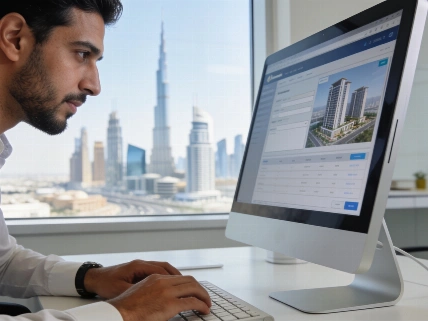
Instead of buying an entire apartment, investors can now purchase digital tokens representing a share in a property. These tokens are available on the PRYPCO Mint platform, which is licensed by the Virtual Assets Regulatory Authority in Dubai. The minimum investment for existing, fully funded properties has been slashed from AED 2000 to AED 1000, while new offerings retain the AED 2000 threshold. This reduction is designed to attract a broader pool of investors, especially those who are comfortable with digital platforms and partial ownership models.
There is no mandatory holding period for these tokens. Investors can buy and sell their shares at any time, providing a level of liquidity and flexibility that traditional property deals simply cannot match. Fully funded properties can also generate rental income and potential capital appreciation, giving token holders a tangible stake in Dubai's booming real estate sector.
Who benefits from the new model
The most immediate winners are digital-native investors-Generation Z and the emerging Generation Alpha-who see technology as the default mode for managing money. For them, the ability to invest small amounts, track performance in real time, and exit positions with a few taps is not a novelty but an expectation. The model also appeals to institutions, real estate funds, fintech startups, and even traditional developers seeking new ways to raise capital and boost asset liquidity.
Dubai's regulatory authorities are not just observers. The Dubai Land Department, in partnership with the Virtual Assets Regulatory Authority, Dubai Future Foundation, and the Central Bank of the UAE, is actively shaping the framework. The initiative is part of the broader "Real Estate Innovation Initiative" and positions Dubai as the first Middle Eastern jurisdiction to use blockchain for property tokenisation at this scale.
Implications for the property market
Tokenisation is not just a technical upgrade-it is a strategic play to diversify the investor base and make Dubai's property market more dynamic. By lowering the entry point, the city is turning real estate into an asset class that can be accessed from a smartphone, not just a bank branch. This could fundamentally alter the demographic makeup of property investors, bringing in younger, tech-savvy participants who previously saw real estate as out of reach.
Developers and property managers also stand to gain. Tokenisation opens new channels for raising funds, increases asset liquidity, and allows for more flexible portfolio management. For Dubai, the move supports the city's economic agenda (D33) and its 2033 real estate strategy, accelerating the shift towards a fully digital property ecosystem.
Dubai is not just experimenting with blockchain for the sake of innovation. By making property investment as accessible as buying shares in a company, the city is challenging the old orthodoxy that real estate is only for the wealthy or well-connected. The real test will be whether this model can deliver on its promise of transparency, liquidity, and genuine diversification. If it does, Dubai will not just have digitised property-it will have democratised it, setting a new global benchmark for how cities can use technology to open up their most valuable assets.