
The UAE is developing a national entrepreneurship strategy with targeted initiatives to strengthen the competitiveness of small and medium enterprises. The plan includes new support mechanisms, government procurement, and collaboration across federal and local entities to drive sustainable growth.
Small and medium enterprises in the UAE are about to see a major shift in their operating landscape. The Emirates Entrepreneurship Council, led by Abdullah bin Touq Al Marri, is finalising a national strategy designed to supercharge the competitiveness and resilience of the country's SME sector-an ecosystem that already accounts for 95% of all businesses and 85% of private sector jobs.
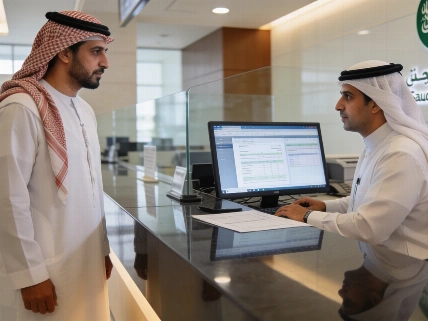
At the heart of this overhaul is a series of concrete initiatives, including a government procurement drive that has already channelled AED 202 million into local businesses. The campaign, branded as "الإمارات عاصمة رواد الأعمال في العالم", has also delivered training and upskilling for more than 400 Emirati citizens, and registered over 400 new suppliers in the national database.
Government procurement and targeted support
The Council's latest meeting revealed that the government is not just talking about SME support-it is actively buying from them. The AED 202 million in purchases is a direct injection into the sector, while 41 new government initiatives have been rolled out across nine focus areas. These efforts are coordinated with ten partner entities spanning five Emirates, ensuring that support is not limited to one region or authority.
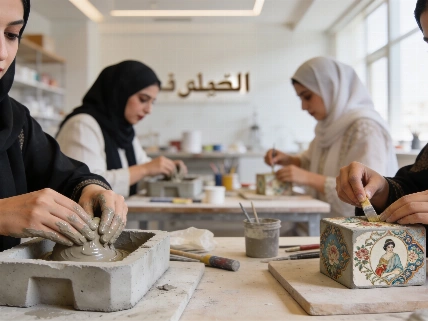
Student entrepreneurship is also on the agenda, with 100 student-led projects receiving direct backing. The Council is pushing for a more inclusive supplier base, as evidenced by the 405 new businesses added to the official registry.
Strategic collaboration and international benchmarking
To ensure the new strategy is more than a collection of isolated programmes, the Council is working to align federal and local policies. This includes adopting international best practices in partnership with the Organisation for Economic Co-operation and Development, focusing on access to finance, innovation, internationalisation, and regulatory reform. The Council is also developing robust governance and impact measurement frameworks to track the real-world effects of these initiatives.
One standout project is the "المسرعات المتنقلة في القرى" initiative, which brings licensing, funding, incubation, and market access services directly to entrepreneurs in rural areas. This mobile accelerator model is designed to break down barriers for founders outside major urban centres.
SME sector growth and global recognition
The UAE's efforts are not going unnoticed. For the fifth consecutive year, the country has ranked first globally in the Global Entrepreneurship Monitor report for 2025/2026. The number of active SME licences has surged by more than 140% in the past five years, and by over 900% in the last two decades-a testament to the scale of transformation underway.
Abdullah bin Touq Al Marri has made it clear that entrepreneurship is not a side project for the UAE-it is a central pillar of economic diversification and job creation. The Council's approach is unapologetically pragmatic: direct financial support, skills development, and regulatory alignment, all underpinned by measurable outcomes.
While many governments pay lip service to supporting small businesses, the UAE is putting real money and policy muscle behind its ambitions. The challenge now is to ensure that these initiatives translate into lasting, broad-based growth for entrepreneurs across the country-not just headline numbers or short-term wins. If the Council delivers on its promises, the UAE's SME sector could become a genuine engine of sustainable economic progress, not just a talking point in official speeches.