
Investment in the real estate sector is fuelling a surge in construction activity and boosting demand for electricity, iron, and furniture, according to Minister of Investment and Foreign Trade Dr. Mohamed Farid. The sector now accounts for 40% of total investment, with ripple effects across export services and infrastructure.
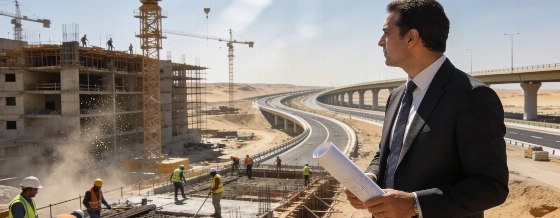
When Dr. Mohamed Farid, Minister of Investment and Foreign Trade, revealed that real estate now commands 40% of all investment, the message was clear: property is not just about buildings, but about powering entire industries. The construction boom is not an isolated phenomenon-it is the engine behind a surge in demand for electricity, iron, and furniture, and is reshaping the export services landscape.
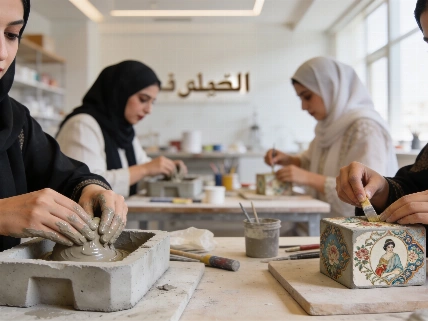
Speaking on "الحكاية" with Amr Adib, Dr. Farid detailed how the property sector's momentum is directly responsible for strengthening infrastructure, from roads to bridges, and for attracting further capital into sectors that feed off urban development. The numbers are unambiguous: construction and infrastructure projects are now the backbone of investment activity, with their influence radiating into every corner of the economy.
Property sector triggers multi-industry expansion
It is not just developers and homeowners who benefit. The surge in real estate investment has created a domino effect, driving up demand for electricity to power new developments, iron for structural frameworks, and furniture to fill new homes and offices. Export services are also seeing a lift, as the scale of construction projects opens new channels for related industries to reach international markets.
Dr. Farid's analysis leaves little doubt: the property sector's reach extends far beyond its own boundaries, acting as a catalyst for growth in sectors that might otherwise stagnate. The infrastructure upgrades-roads, bridges, and utilities-are not just supporting new buildings, but are laying the groundwork for broader economic activity and future investment.
Tourism investment lags behind property
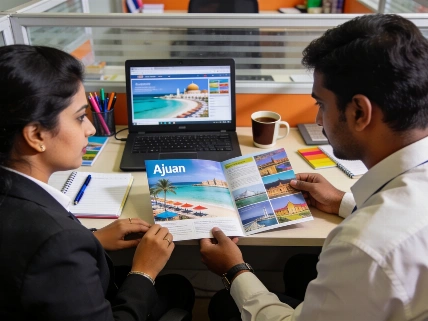
Yet not all sectors are sharing equally in this investment wave. Dr. Farid acknowledged that tourism investment has slipped to just 2% of the total, attributing the decline to a predominance of local rather than foreign capital. Despite this, Egypt's position as a top investment destination in Africa remains unchanged, with the minister insisting that the country's leading status is no anomaly.
While the property sector continues to attract capital and drive multi-sector growth, the muted performance of tourism investment signals a need for more diversified foreign inflows. The government's focus on infrastructure and construction is delivering tangible results, but the challenge now is to ensure that other sectors, especially those with export potential, are not left behind.
Dr. Farid's remarks expose a fundamental truth: real estate is the linchpin of Egypt's current investment strategy, but overreliance on one sector risks creating imbalances. The property boom is delivering clear benefits for infrastructure and related industries, yet the lacklustre performance in tourism investment is a warning sign. For sustainable growth, policymakers must ensure that the momentum in real estate translates into broader economic diversification, rather than a single-sector dependency that could leave the economy exposed when the property cycle inevitably shifts.