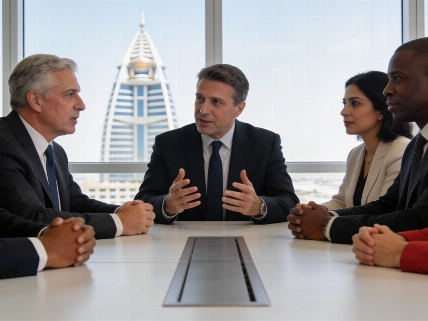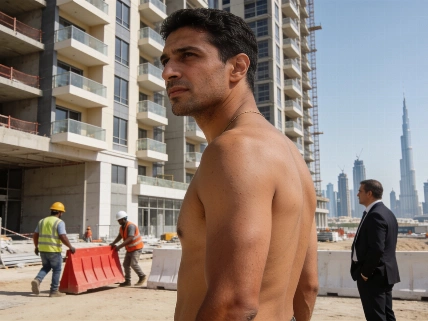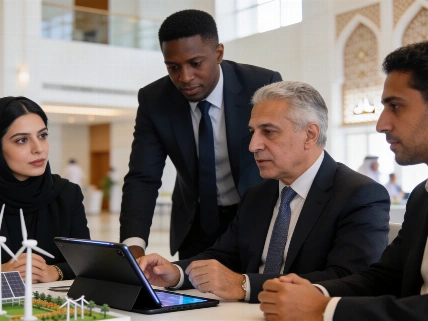
Dubai's transformation into a global tourism hub and China's rise in electric vehicles both stem from decades of unwavering strategic vision. This article examines how sustained commitment to long-term planning has redefined Dubai's economy and reshaped its streets.
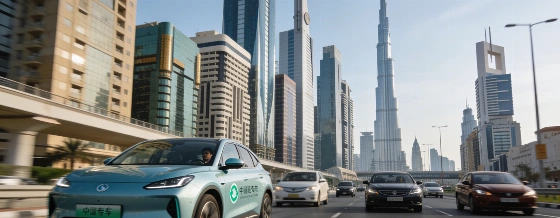
Dubai's streets now feature Chinese electric vehicles as a daily reality-a scene that would have seemed implausible to many just a generation ago. The city's rise as a global tourism and innovation centre, and China's dominance in new energy vehicles, are not accidents. Both are the result of leaders who refused to be limited by short-term thinking or scepticism.
In the early 1980s, during a high-level Gulf meeting, a young Mohammed bin Rashid Al Maktoum proposed turning Dubai into a world-class tourist destination. The idea was met with open doubt. Who, they asked, would visit the desert or endure the heat? Rather than argue, Mohammed bin Rashid Al Maktoum held firm to his vision. Four decades later, Dubai's tourism sector is a pillar of its economy, and the city's transformation is a case study in strategic persistence.
Strategic Planning Over Decades
China's electric vehicles now cruise Dubai's roads, but this outcome was set in motion over twenty years ago. As the world's automotive market was still dominated by traditional vehicles, China began investing in energy security, green development, and future industrial competitiveness. The launch of the national electric vehicle project under "Programme 863" in 2001 marked the start of a relentless focus on core technologies. Each subsequent five-year plan-from the eleventh to the fourteenth-built on this foundation, moving from R&D to manufacturing, then to market expansion and advanced smart features.
Dubai's own trajectory mirrors this approach. Initiatives like "We the UAE 2031", "UAE Centennial 2071", the Dubai Economic Agenda "D33", and the Dubai Urban Master Plan 2040 are not mere slogans. They are frameworks for generational progress, designed to diversify the economy and secure Dubai's place as a global leader in tourism, technology, and urban development.
Results Visible on Dubai's Streets
The impact of these long-term strategies is visible and measurable. Dubai's tourism sector has become a magnet for international visitors, with world-class infrastructure and attractions that were once dismissed as fantasy. Meanwhile, Chinese electric vehicles-products of two decades of sustained investment-are now a common sight, reflecting China's global leadership in battery technology and smart mobility.
These achievements are not the result of luck or fleeting trends. They are the product of leaders who understood that true competitiveness is built over generations, not quarters. As President Xi Jinping put it, success comes from "carrying every plan through to the end, and continuing the work generation after generation." Mohammed bin Rashid Al Maktoum's philosophy is equally clear: "The future will be for those who can imagine it, design it, and execute it."
Dubai and China have both demonstrated that enduring progress depends on vision, discipline, and the willingness to ignore short-term noise. The lesson for Dubai's residents, businesses, and policymakers is unmistakable: sustainable success is engineered, not improvised. Those who invest in the future-steadily, strategically, and without distraction-will shape the city and the world for decades to come.