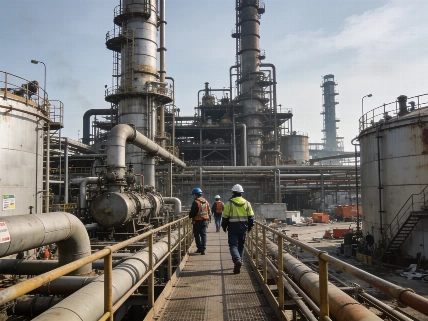
September brought a new shock for Iran. For the first time since fighting with the United States broke out seven months ago, Iran loaded no crude oil for export. Bloomberg's early numbers show a complete stop. Oil money has dried up. Tehran is left scrambling. The floating oil stocks that kept some Chinese refineries running are almost gone. Iran International's official data shows annual inflation hit 89.8% in September 2026. The 12-month average stands at 73.6%. Prices are out of control.
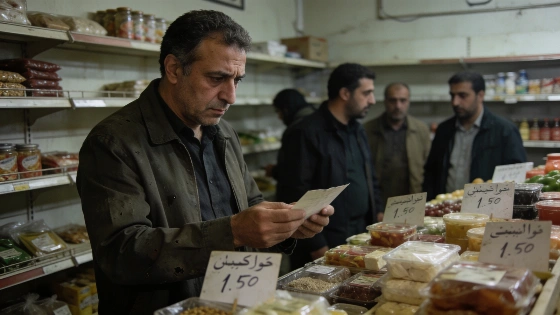
Nearly ninety percent inflation has gutted the value of people's paychecks. The rial has crashed by a quarter against the dollar in just two months. Imported goods now cost far more. Families already struggling with isolation are hit again. In early October, the rial dropped below 2.5 million per US dollar on the open market. It was 2.2 million in September. That's a steep fall. Consumer confidence is sinking, as recent Reuters coverage confirms.
Sanctions bite deeper, oil exports dry up
The US is tightening the screws. Last week, Washington added Iran's railway sector and big transport firms to its sanctions list. These are the backup trade routes Iran turned to after shipping lines were cut. Earlier bans on car and aviation industries are now hitting harder. Iran International reports these new rules are choking Iran's trade and logistics. The government is running out of ways to steady the market.
Tehran has often threatened to close the Strait of Hormuz. But its grip on this key waterway is slipping. JP Morgan says Middle East crude shipments are almost back to pre-war levels. But Reuters data shows flows through the Strait in September 2026 were only 7.4 to 9.7 million barrels a day. That's still far below the 16 million before the conflict. Gulf rivals have ramped up their exports. Iran's own oil shipments have plunged. By August, they were down to just 220,000-255,000 barrels a day. In March, it was 2 million. Iran International and Bloomberg-aligned sources confirm these numbers. The drop is severe.
Leadership under strain, strategies shift
Pressure is showing at the top. Badr Al Saif, assistant professor at Kuwait University and Chatham House associate fellow, told Bloomberg, "Every side has a breaking point, and Iran is no exception. Tehran's recent offer of a seven-day truce and Foreign Minister Abbas Araghchi's hint at letting in nuclear inspectors show the pressure is real." Al Saif also said, "Ironically, such pressure can trigger opposite reactions: either concessions or a pre-emptive strike."
Inside Iran, officials admit things are "extremely painful." Still, they claim the country is adapting. One Tehran official told Bloomberg they are preparing for a possible new US bombing campaign. This one could be bigger than before. Meanwhile, Axios reported that top Trump administration officials met in secret at Camp David. Vice President J.D. Vance led the talks. Trump has already sent another aircraft carrier and ten thousand sailors and marines to the region, according to the same sources.
Economic fallout and political stakes
Iran's fading control over the Strait of Hormuz comes as hardship at home grows worse. Oil exports have collapsed. Inflation keeps climbing. The government is running out of options. Some Iranian oil still reaches China from floating storage, but those reserves are running low. The US is stepping up its campaign. New sanctions on Iran's biggest carmakers and railway firms start in October. Reuters and Emirates News Agency (WAM) both note the wider regional impact. The UAE's diverse energy and logistics sectors have shielded its economy from similar shocks.
These events mirror the squeeze on other regional economies. The earlier breakdown of Dubai's property sector under rising costs is one example. For Iran, the stakes are higher. The leadership faces a hard choice: negotiate to ease sanctions or risk a conflict that has already battered the economy. The Central Bank of the UAE (CBUAE) is watching currency swings in the region. It keeps the AED steady with strong monetary policy, as recent The National business updates report.
Inflation is at record highs. Oil money is gone. US sanctions are getting tighter. Iran's leaders are boxed in. Their next move-compromise or confrontation-will shape not just their own future, but the region's. Tehran's choices are shrinking fast. The cost of waiting rises with every lost barrel and every rial that loses value.