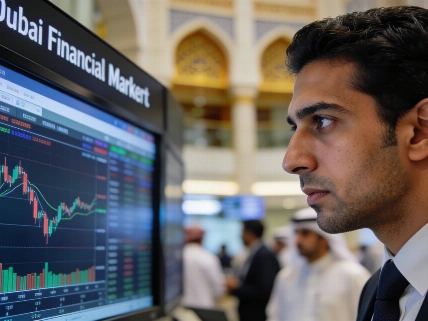
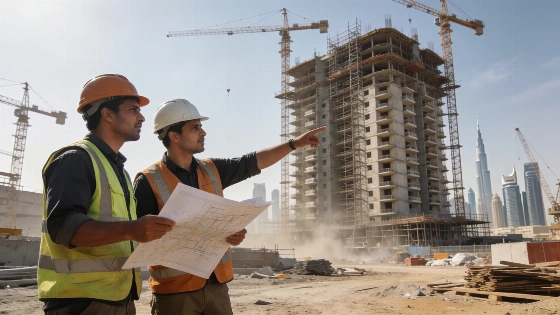
Developers in Dubai are running into a wall. Construction costs are climbing fast, and prices for new homes in key areas are starting to slip. The old formula-buy land, build, then raise prices to cover the bill-no longer works for everyone. Smaller firms that bought land late and paid top dirham now face a tough squeeze.
The numbers tell the story. A project set at AED 500 million that faces a 20% cost jump needs to find another AED 100 million. Buyers who already signed off-plan contracts won't pay more. Developers have to take the hit, put in more cash, hunt for new loans, or try to cut deals with contractors and suppliers. The pressure is real. Turner & Townsend reports that some projects, especially those from newer developers, have already slowed or stopped. The reasons: economic uncertainty, global tensions, and a spike in material prices.
Material costs surge as margins shrink
Land isn't the only problem. Building costs have shot up. Turner & Townsend data shows that the basic structural cost for residential towers of 20-60 storeys in Dubai jumped from AED 350-450 per square foot in 2020 to AED 470-600 in 2025. That's about a third more in just five years. This doesn't even count finishing, demolition, or outside work.
Material prices are rising even faster. Dubai Statistics Center data, reviewed by Equity Edge, shows ready-mix concrete up 35% to AED 426 per cubic metre in the first half of 2026. Rebar climbed 28% to AED 3,224 per tonne. Steel mesh soared as much as 40%. Concrete blocks rose 25-31%, depending on type. Gypsum bags more than doubled, up 114% to AED 16.45 per bag. Margins are getting squeezed to the bone. GJ Properties said in September 2026 that construction material costs in the UAE rose about 15% over the past year. More hikes are expected into 2027. Contractors and developers across the region are feeling the pinch, according to Reuters.
Contractors are wary. Volatile prices and supply chain snags make them reluctant to sign fixed-price deals. Turner & Townsend notes that contracts now favor contractors. Developers must pay more upfront and accept flexible terms. What started as a margin problem is turning into a cash-flow crunch.
Project launches slow as developers turn cautious
Developers are pulling back. When costs rise but selling prices can't, many choose to delay or phase projects. They'd rather wait than risk razor-thin profits. Turner & Townsend confirms that some projects from new entrants have already paused. Investment decisions are now more cautious. Market risks are front and center.
Official data from Emirates News Agency (WAM) and industry analysts shows that Dubai finished 104 real estate projects in the first half of 2026. That's a 38.7% jump from last year, with total investment topping AED 111 billion. But new off-plan launches fell hard-down nearly 90% between the second and first quarters of 2026, according to AGBI and Savills. The market now favors developers with strong balance sheets and a track record. Cushman & Wakefield Core reported a 58% drop in apartment launches and a 78% fall in villa launches year-on-year. Only about 124 projects and 28,000 units entered the pipeline, as Khaleej Times summarized.
Some firms are breaking projects into smaller phases. Others are redesigning or cutting the number of units in early launches. They want to test demand and prices before going all in. The result? Not a total freeze, but a bigger gap between big, well-funded developers and smaller, newer ones. The big players have cheaper land and long-term contractor ties. They can ride out the storm. Smaller firms, forced to buy land and build at today's prices, face a much harder path. They're up against thousands of units sold at lower prices in earlier cycles.
Supply pipeline and delivery risks
There's another problem: a flood of new supply is coming. Knight Frank says hundreds of thousands of units are in the pipeline through 2030. In 2025, Dubai saw 205,400 residential transactions-a record. But Knight Frank also points out that actual handovers often lag behind what's promised. That could soften the blow of oversupply.
Delays are getting more common as costs rise. Developers may have to renegotiate with contractors, look for new suppliers, or wait longer for key parts like transformers, lifts, and generators. Some of these now take over 12 weeks to arrive. Turner & Townsend highlights a shortage of skilled workers in mechanical, electrical, and plumbing trades. Dubai feels this shortage most, and it's expected to get worse next year. There aren't enough specialist contractors for complex tower facades and systems. That means more missed deadlines and higher costs. Cavendish Maxwell estimated that only about 24,800 residential units were handed over in the first half of 2026. That's just 41.3% of what was planned, as reported by Arabian Business.
Luxury holds firm as mainstream market softens
Not every part of the market is hurting. Luxury is still strong. Knight Frank recorded 296 homes sold above USD 10 million in the first half of 2026, up 16% from last year. Total sales value rose 14% to USD 5.1 billion. But this strength isn't everywhere. Knight Frank also saw prices drop 5-20% in major mainstream areas. Some owners and investors are leaving. Regional tensions add to the uncertainty. The split is clear. Luxury and rare locations hold value. Mid-market and high-supply areas take the hit. Emaar founder Mohamed Alabbar told Reuters he expects Dubai property prices to fall by about 5% in 2026. He pointed to regional conflict and changing investor mood.
Recent market analysis shows tenants are moving more. New rental contracts now outnumber renewals. Falling rents tempt residents to switch homes. The market is shifting.
Big developers absorb shocks as smaller players struggle
Scale matters now. Large developers can cover losses on one project with gains from another. They get better deals from contractors and can borrow more easily. They can afford to wait before launching new projects. Smaller firms, who rely on off-plan sales and have little cash in reserve, have few options if costs spike. The next stretch will test not just demand, but which developers can survive.
Dubai's property market is entering a new phase. Deep pockets and flexibility will decide who stays in the game. The city's biggest developers, with land banks and strong networks, are ready for the turbulence. Smaller firms face a tough road. Surging costs, softer prices, and delivery risks could push some out. The next wave of launches will show who can adapt. Some will fall behind as the market resets. The Dubai Land Department and Central Bank of the UAE are watching closely. Investors, both local and global, are paying attention.