US Treasury yields have shot up. The impact lands in Dubai almost overnight. Mortgage bills climb. Bank deposits start to look tempting again. Suddenly, the old playbook for where to put your money no longer works. The Central Bank of the UAE (CBUAE) has not stood still. It has moved quickly to match global rate hikes.
For a long time, low rates pushed Dubai and Gulf investors into stocks, real estate, and alternative assets. That era is over. The 10-year US Treasury yield now sits near 5%. Fixed income is back. It offers high returns, liquidity, and strong credit quality. Riskier assets struggle to keep up. Gulf News financial analysis shows this shift is changing how UAE residents invest. The numbers tell the story.
US rates set the pace in Dubai
Most Gulf currencies, including the UAE dirham, are pegged to the US dollar. When the US Federal Reserve raises rates, the CBUAE follows. Every US rate hike means higher borrowing costs and better savings rates in Dubai. On 17 September 2026, the CBUAE raised its base rate by 25 basis points to 3.90%. This move came right after the US Federal Reserve acted. Emirates News Agency (WAM) reported on the tight link between the dollar peg and local policy.
The Emirates Interbank Offered Rate (EIBOR) shows the effect. On 16 September 2026, the 1-month EIBOR was 3.99%. The 3-month EIBOR hit 4.13%. By 21 September, the 3-month EIBOR jumped to 4.40%. Volatility spiked after the rate hike. These numbers, confirmed by sector analysts and the Abu Dhabi mortgage market guide, show how quickly borrowing costs can change in the UAE.
Mortgage holders and buyers feel the squeeze
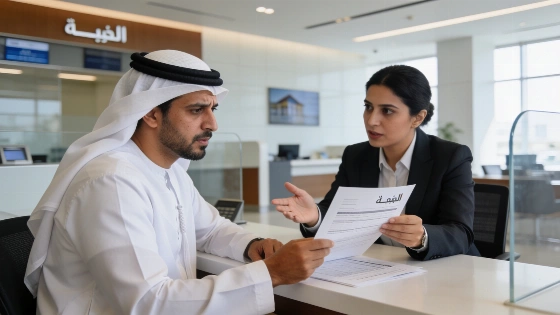
Dubai residents with variable-rate mortgages see the impact right away. Most home loans are priced as EIBOR plus a bank margin. When EIBOR rises, so do monthly payments. A one-point jump on a big mortgage adds up fast. Buyers using loans now have to look past the sticker price. The real question is: what will the loan cost over time? The Dubai Land Department and major banks report more borrowers asking to fix their rates or renegotiate terms.
Sellers and developers are also affected. Higher loan costs push some buyers to downsize, delay, or look for payment plans from developers instead of banks. Dubai's property market still draws cash buyers and foreign money. But as borrowing gets expensive, investors look harder at net rental yields. If a deposit or bond pays the same as a rental property, with less hassle, property investment gets tougher. The National reports that both end-users and investors are now more cautious. The bar is higher.
Deposits and bonds are back in favor
There is an upside. Savers and conservative investors in Dubai now see real returns from fixed deposits and top-rated bonds. Banks can offer better rates, especially for bigger or longer-term deposits. When rates were low, leaving cash in the bank meant losing out. Not anymore. Now, why take extra risk for just a little more yield? Some UAE deposit products now pay up to 5.5%. That puts them in line with riskier assets.
Short- and medium-term bonds, including investment-grade corporate bonds, are drawing more interest. They pay more than Treasuries, with some credit risk, but less price swing than stocks or long bonds. For those who want steady returns without big interest rate shocks, medium-term bonds hit the sweet spot. The Dubai Media Office points to these products as part of the city's push for economic diversification under the Dubai Economic Agenda D33.
Stock markets and companies under pressure
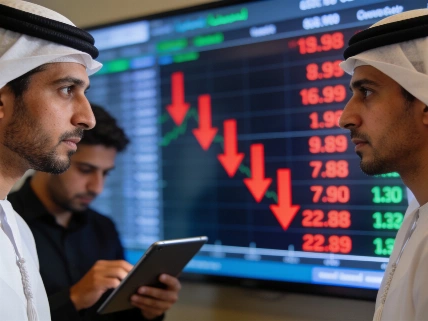
Dubai's stock market, and those in Abu Dhabi, Saudi Arabia, and Qatar, feel the heat too. When risk-free returns rise, investors want more from stocks. That can push down valuations, especially for high-growth or heavily indebted companies. Firms with big debts face pricier refinancing. Profits get squeezed. The Central Bank of the UAE warns that banks may see a short-term boost in net interest margins, but if high rates stick around, credit growth could slow and borrowers could feel the strain.
Gulf markets have been volatile in recent weeks. Interest rates, oil prices, and geopolitics all pull in different directions. The European Central Bank raised key rates in September 2026. The ECB Economic Bulletin puts this in a global context. Money is tight everywhere.
Dubai's special spot in the global cycle
Dubai and the Gulf have one big advantage over the US: oil money. High energy prices help offset the pain of expensive loans. Government budgets and economic activity get a boost. Still, expensive money and shifting oil prices mean every sector-property, banks, stocks-must adjust. The Dubai Department of Economy and Tourism is watching these trends closely. The goal is steady growth and investor trust.
Dubai's property market is not headed for a simple drop in prices. Population growth, foreign investment, supply, and residency rules all matter. But high rates make buyers pickier. There is a ceiling on what buyers using loans can afford. Location, developer reputation, and project quality matter more than ever.
The era of easy money is over. Dubai residents and investors now have to measure every opportunity against the new fixed income benchmark. It is not just about chasing the highest return. The real question: is the risk worth it compared to a safe, liquid option? This is not a small tweak. It is a big change in how money moves in Dubai. With deposits and bonds paying real yields, every investment faces a higher bar. Only the best deals will make the cut.