China now leads the United States in positive public opinion across Latin America. This comes from a large survey in 17 countries. The numbers are clear. Sixty-five percent of people see China's influence as good. Only 57% say the same about the United States. The survey ran from May to June 2026 and included about 19,200 face-to-face interviews. The margin of error is just 1%. These results are solid, as reported by Al Jazeera reporting.
This is not a small change. Six years ago, only 48% of Latin Americans viewed China positively. The United States had a 60% approval rating as recently as 2020. The new data, published by the Latinobarómetro Foundation, shows a real shift in how people see the world's two biggest powers. There is a twist. When asked about "sympathy" for countries, the United States still comes out ahead-63% versus 58% for China. Reputation and influence are not the same.
Washington steps back, Beijing steps in
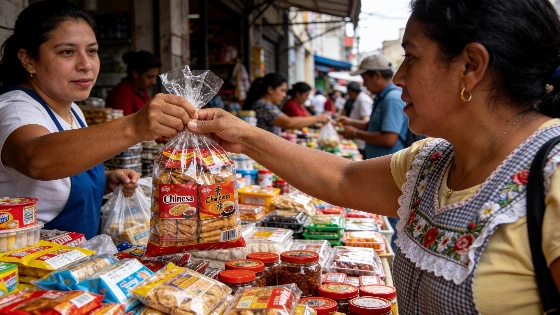
The report points to one main reason. The United States has barely engaged with Latin America for twenty years. After the Iraq War in 2003, Washington looked elsewhere. That left a gap. China, the European Union, and Japan moved in. Marta Lagos, who leads Latinobarómetro, said Latin America has "moved closer to other powers." Chinese goods, in particular, have filled the "void in people's pockets" because they are cheap. This pattern is not unique. In the UAE, the Dubai Economic Agenda D33 and the UAE Vision 2031 both stress the need for broad trade ties and affordable markets. Emirates News Agency (WAM) covers this often.
China's rise is not just about politics. The survey shows that affordable Chinese imports matter to daily life. People notice the lower prices. This has built support for Beijing. The UAE has seen something similar. Foreign investment and new infrastructure, managed by the Central Bank of the UAE (CBUAE) and the Dubai International Financial Centre (DIFC), have made the country more open to new partners and global supply chains.
Exceptions and the political scene
There are two outliers. Costa Rica and the Dominican Republic are the only countries in the survey where the United States still has a better image than China. Everywhere else, China now leads. This split looks a lot like the UAE's approach to foreign ties. Economic zones like DMCC and ADGM shape their strategies for each market, as shown in The National's FDI coverage.
The timing matters. The survey took place during the last part of Donald Trump's presidency. That period saw the US talk tough about its role in the region. Trump pushed the "Donroe Doctrine," a new version of the old Monroe Doctrine, to claim US leadership in the Western Hemisphere. It did not change the trend. Attitudes kept shifting.
Latin America's turn toward China is not a passing phase. It reflects twenty years of changing economic and political ties. The United States used to be the main outside power. Now, China has moved ahead by offering economic opportunity and stepping in where the US did not. The lesson is blunt. Influence in Latin America is no longer automatic. Those who ignore the region lose ground. The Dubai Media Office has said in recent releases that global changes in trade and public opinion demand quick policy moves and a willingness to work with new partners.