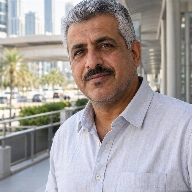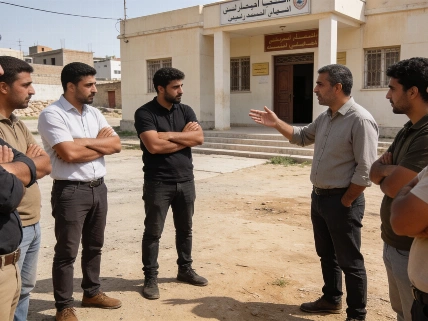
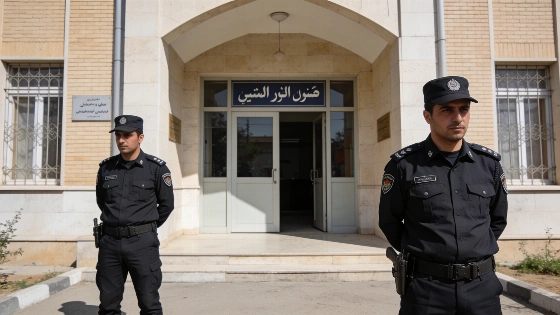
Siawash Jamshidi Kheir Abadi is dead. The Iranian judiciary executed him after arresting him during the January 2026 protests. This is a sharp move by the state. The unrest that swept Iran at the start of the year has now led to the first confirmed execution tied directly to those events.
Reuters confirmed the execution on 3 October 2026. Officials said Jamshidi fired at least three shots at police officers on 8 January. He was caught two days later in Shahr-e Kord. Police said he had a handgun when arrested. The judiciary claimed he worked online with others to organize what they called "anti-security" actions. They also accused him of seeking money for a "mission." No one said which group or person was behind this alleged mission. The details stopped there.
Jamshidi faced charges of "moharebeh"-the Iranian legal term for "enmity against God." He was also accused of conspiracy and coordination against national security. Iranian courts use these charges often in protest cases. Reports from Iran International and The National said the judiciary pointed to other alleged crimes in Jamshidi's past, but gave few specifics. The Supreme Court of Iran upheld the verdict. Judicial officials insisted all legal steps followed national law.
Protests and government allegations
The protests broke out on 28 December 2025. People first took to the streets over inflation and the falling value of the currency. The anger spread fast. Soon, crowds called for an end to the Islamic Republic's religious rule. Iranian officials blamed armed groups and individuals. They said the United States and Israel backed some of those involved in the unrest and in violent acts. During this period, Israel's Minister for Jerusalem Affairs and Heritage, Amichai Eliyahu, admitted Israeli agents were inside Iran. He said their goal was to weaken the Islamic Republic's abilities. He denied any direct plan to topple Iran's leaders.
These claims fit a pattern. Iran and its rivals have traded accusations for years. Earlier, diplomatic moves over regional security and sanctions showed the same tensions. The Emirates News Agency (WAM) has reported on the UAE's push for regional stability and economic strength. The Central Bank of the UAE (CBUAE) keeps watch on cross-border money flows to meet international rules.
Judiciary's stance and implications
The judiciary did not say who, if anyone, was behind the "mission" Jamshidi was accused of. The evidence remains unclear. The story leaves open questions about the case and the proof behind the charges. Still, the execution shows Iran's leaders are ready to use the harshest penalties to keep control. They want to stop more protests as economic and political pressure grows. Human Rights Watch and the Abdorrahman Boroumand Center reported that at least 29 protest detainees were executed between March and August 2026. Five of those executions happened in public, according to Iran International.
This case marks a hard turn in how the state handles protest cases. The judiciary is using capital punishment to send a message. The government keeps blaming foreign influence for unrest. It is clear they want to warn both the public and outside powers. These steps are likely to stir more worry at home and draw more attention from abroad. The UAE, meanwhile, keeps pushing its economic plans. The Dubai Economic Agenda D33 sets out new goals. The Dubai Financial Services Authority (DFSA) keeps a close eye on regulation. The region stays in the spotlight for stability and investment, even as tensions rise. For more on the UAE's economic reforms, see the Central Bank of the UAE official portal.