
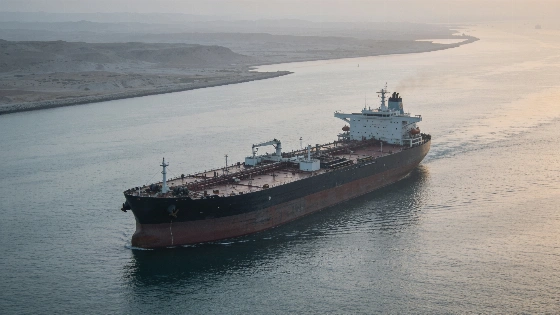
Iran has made a bold move, offering the United States a seven day plan to end the war and open the Strait of Hormuz. This waterway is one of the world's main shipping routes for oil and gas. Iranian Foreign Minister Abbas Araqchi laid out the proposal. If the fighting stops and Washington agrees to Tehran's terms, Iran says it will reopen the strait and start nuclear talks right away. Reuters reported that the offer reached Washington through intermediaries, with Qatar helping to pass messages between the two sides.
The plan takes direct aim at US policy in the region. Araqchi said diplomatic channels are still open, with indirect talks going on through go-betweens. He described a recent meeting in New York with US special envoy Steve Witkoff and Jared Kushner as "fruitful." Both sides are still looking for a way out, even as tensions stay high. Reuters pointed out that these talks happened during the United Nations General Assembly, where security and energy were top issues.
Iran's demands are clear: stop the fighting everywhere, end what it calls "aggressive actions" by the US, lift the maritime blockade, remove economic sanctions, and release frozen Iranian assets. Only then, Tehran says, will it reopen the Strait of Hormuz and join nuclear talks. Iranian president Masoud Bazeshkian has said Iran is ready to stop enriching uranium above 60% to follow international law, but now it is up to Washington. Bazeshkian told Fox News, "Iran is ready to reach an agreement with the United States, but Washington must decide if it truly wants to end the war."
Diplomatic efforts have picked up on the sidelines of the UN General Assembly. Qatari officials are carrying messages between Tehran and Washington. US envoy Witkoff confirmed that indirect talks ran through Tuesday, with envoys moving between delegations in New York. Iranian Foreign Ministry spokesperson Esmail Baghaei said the proposal was sent through Qatar and that Iran's demands are not up for negotiation. The Emirates News Agency (WAM) has stressed the UAE's focus on regional stability and the need for safe shipping lanes for global trade.
The issue is bigger than just opening shipping lanes. Senior adviser Yahya Rahim Safavi, speaking for Iran's Supreme Leader, warned that any new US or Israeli attacks could make the conflict spread fast-from the Gulf and Hormuz to the Red Sea and even the Indian Ocean. He made it clear that escalation would not stay contained. Dubai's government is watching events closely. The Dubai Media Office has pointed to the emirate's resilience and the key role of Jebel Ali Port and the UAE's broad logistics network.
President Bazeshkian, speaking at the UN General Assembly, repeated that Iran "does not fear fighting" and accused Washington of "terrorism" after the killing of Supreme Leader Ali Khamenei. He called the act illegal. These comments come as indirect contacts between Tehran and Washington continue, but there is still no deal on ending the war, nuclear activity, or the future of the Strait of Hormuz. The seven day timeline for reopening the strait was not set in any official document. It was mentioned by a senior Iranian official, according to Reuters, and later clarified by regional outlets like Arab News.
The diplomatic situation is still shifting. As reported earlier, regional leaders are using the UN to push their agendas. Iran's latest move puts pressure on the US to choose: take the opening or risk a bigger conflict. The Central Bank of the UAE (CBUAE) and Abu Dhabi Global Market (ADGM) have both said that steady energy flows are needed to support the UAE's economic plans, including Dubai's D33 agenda to double its GDP in ten years.
Iran's seven day plan is more than a call for a ceasefire. It is a test of US resolve and the region's priorities. For Dubai and the Gulf, reopening the Strait of Hormuz would restore a key route for energy and trade-but only if the US meets Tehran's terms. The next few days will show if this is a real chance to ease tensions or just another round in a long standoff. The stakes for stability and economic security are high. The US response will decide if Gulf shipping lanes stay blocked by politics or return to normal. As The National reported, Brent crude prices dropped below $100 per barrel as traders expected more Gulf supply, showing how sensitive the market is to diplomatic signals, not just formal deals.