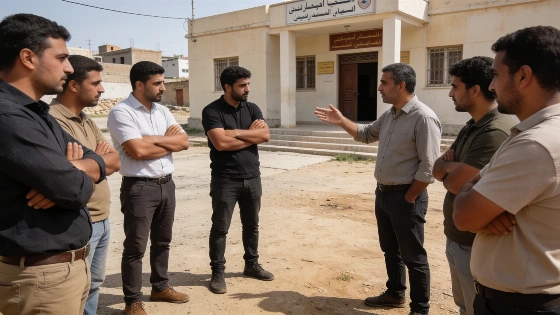
Housha is not staying silent. The town's people have turned their backs on the municipal elections. This is no accident. It is a clear protest aimed straight at the Ministry of Local Administration. The message is simple: the current setup does not work for Housha. Across the region, debates over local governance keep surfacing. In the UAE, for example, municipal reforms often come with public consultation and open rules, as reported by the Emirates News Agency (WAM).
People in Housha say the merger stripped their town of its voice. They lost the power to shape decisions that touch daily life. This boycott is not about family feuds or personal grudges. It is a last resort. When official channels close, the community acts. Jordanian law backs this up. Mergers need council votes, ministerial sign-off, and publication in the official gazette. That is supposed to guarantee transparency and accountability.
Loss of influence after municipal merger
The main complaint is blunt. Housha used to have its own council. Now it is just a small part of a bigger system. Residents say they have less say over policy, priorities, and services. The merger was supposed to make things run smoother. Instead, Housha feels pushed aside. The town cannot push for its own needs. This is not just a local story. Other GCC countries face the same struggle. The fight between efficiency and real local representation is ongoing. Recent UAE Vision 2031 talks show how important this balance is.
For Housha, the boycott is a warning. The Ministry of Local Administration needs to look again at what the merger has done. The town is not looking for a fight. It wants a fair review. Does the new structure help Housha grow and get better services? Or would bringing back its old municipal status give people more power? The Dubai Economic Agenda D33 points to the value of responsive government and local empowerment. Housha's demands echo that idea.
Community demands for dialogue and fair review
Residents are not shutting down talks. They want them to start again. The call is for the Ministry to listen, check the real impact of the merger, and keep all options open. That includes bringing back Housha's independent municipality if it is best for the town. So far, the Ministry has not answered. Regional media and Bloomberg coverage of local governance reforms both point out the silence. The need for open, honest talks is urgent.
This is about one thing: the right of a community to shape its own future. Independent municipalities can drive growth and improve services by focusing on what their people need. Housha's story raises a tough question. Do bigger administrative units really work better, or do they just drown out local voices? In the UAE, the Central Bank and the Dubai Financial Services Authority (DFSA) keep stressing the need for real stakeholder input in policy. Jordan and its neighbors could learn from that.
Election day is coming. Housha's boycott is not quiet. It is a signal. The people want a real say. They want a seat at the table. The Ministry of Local Administration now has a choice. Stick with the old plan, or sit down and talk. Only by listening can the government win back trust. Local governance should fit the people it serves.