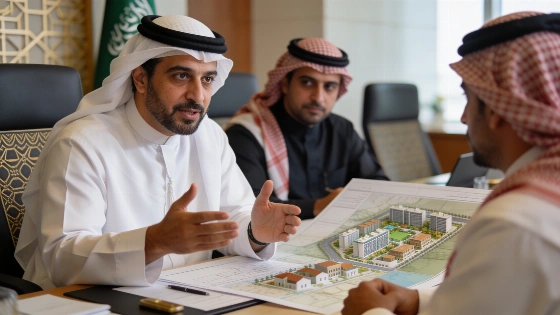
Numbers tell the story. By the end of 2025, Saudi families reached a home ownership rate of 66.24%. The target for Vision 2030 is 70%. Minister of Municipal and Rural Affairs and Housing Majid bin Abdullah Al-Hogail says the pace is picking up. He points to the latest royal address from Crown Prince Mohammed bin Salman, delivered for King Salman, as proof that the kingdom's leaders are not slowing down. The message is clear: development and reform are not just slogans. They are policy. The Emirates News Agency (WAM) often covers how Gulf countries are pushing for sustainable urban growth. Saudi Arabia is in the thick of it.
The royal speech opened the third year of the ninth Shura Council session. Al-Hogail says it was not just ceremony. It was a direct order to keep moving on national priorities, raise standards, and face sector problems head-on. He credits this push for the progress under Saudi Vision 2030, especially in housing and real estate. The numbers back him up.
Housing sector reforms and market impact
Reforms in real estate are showing up in people's lives. The Crown Prince's speech put a spotlight on more housing choices, better market efficiency, and more families owning homes. These results come from new rules and solutions that fit what Saudi families need now. In the first half of 2026, 63,076 Saudi families got their first homes. In June alone, 12,004 families moved in. The Sakani program has helped over 1,046,890 families sign subsidized housing contracts since 2017. That's official ministry data.
The ministry is not stopping. Al-Hogail says they are working to build a stronger housing system, fix market problems, and give people more options. The goal is a sector that lasts and delivers for real families. Vision 2030 sets the direction. The UAE has taken a similar path. The Dubai Land Department and Abu Dhabi Department of Municipalities and Transport have set up clear rules to keep their property markets stable and attract investors. Reports from The National show Dubai's real estate market is growing fast. The region is betting on sustainable cities.
Leadership support and the path ahead
Al-Hogail does not mince words. Progress in housing and real estate depends on strong leadership. The next steps will need even tighter teamwork across government. The challenge is to meet what people need now and still plan for the future. In the first half of 2026, over 38,000 building completion certificates were issued. That's up 55% from the year before. Construction is booming. The same trend is visible in the UAE's big cities, as the Dubai Media Office shows in its planning updates.
Al-Hogail says the ministry's results come straight from this top-level support. The work to make the sector stable and give people more choices will keep going. That's the only way to hit the kingdom's economic and development goals. The Central Bank of the UAE (CBUAE) has also stressed the need for financial stability and careful lending in real estate. The Gulf is watching its numbers.
Saudi Arabia is making its approach clear. The focus is on building strong institutions and clear rules in housing. Dubai's own rules for construction sites and property management were reported earlier. The Gulf is moving toward more responsible and lasting urban growth.
The era of quick fixes is over. Saudi Arabia's housing and development plan is now built on long-term vision and discipline. Leaders are not shying away from tough problems. This is not a short-term push. It is a national priority. The changes will shape Saudi Arabia's economy and society for years.