
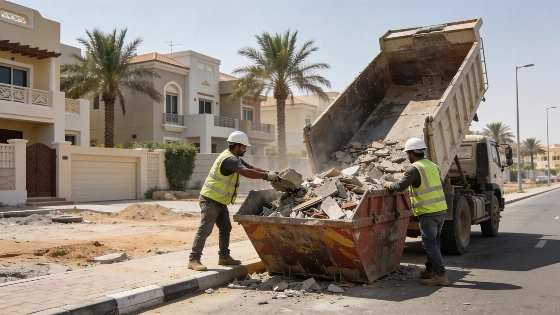
Construction sites across Dubai are under tighter watch. The city has put the job of clearing debris from building, demolition, and renovation work directly on contractors and property owners. Dubai Municipality is not picking up the slack. This rule is part of a bigger push to keep streets clean and neighborhoods safe from leftover waste. The city wants a cleaner, safer Dubai.
Officials have spelled it out. When a property owner hires a contractor, the contract must say exactly who will remove the debris. The municipality wants this written in plain terms. Contractors are expected to clear all waste within three to seven days, depending on the size of the job. Dubai's Law No. 18 of 2024 on Regulating Waste Management backs this up. The law is published in the Dubai Government Legal Portal and sets the rules for how waste must be handled.
Strict enforcement and penalties for non-compliance
Municipality safety teams are checking sites every day. If there is a contract, and debris is left behind, the contractor gets the violation. For small, unlicensed home renovations, the property owner is on the hook. Penalties can be steep. Unresolved violations can stop work for both companies and owners. The law allows fines up to AED 500,000 for poor waste management. Repeat offenders within a year can see fines double, according to Gulf News. Dumping concrete or other materials from mixer trucks in places where it is not allowed brings a fine of AED 50,000 each time. That is a heavy price.
Every active site must have its own construction waste container. Recent checks show more sites are following this rule. It is now standard practice. Dubai Municipality can suspend or cancel licenses, shut down facilities, and seize vehicles if companies keep breaking the rules. These powers are set out in official statements and regulatory updates. No one is above the law.
Guidance for property owners and ongoing awareness
All debris must go to approved disposal sites. Piling it up in front of homes is not allowed. Owners and developers should check Dubai Municipality's official channels for the latest rules and advice. The city is running an ongoing awareness campaign, "عمر لا تخرب", to teach contractors and owners about their duties. The Emirates News Agency (WAM) says these efforts are part of the Dubai Economic Agenda D33. The agenda puts a focus on sustainable growth and following the rules.
Anyone with questions can reach out to Dubai Municipality through its official accounts. Updates and tips are posted there. This approach is similar to what Fujairah authorities have done, making it clear who is responsible for services. In the first half of 2026, Dubai Police and the Dubai Environment and Climate Change Authority seized 17 tankers and detained 18 people for dumping hazardous materials illegally. The National and other top media covered these actions. Enforcement is real.
Dubai is drawing a line. Passing the buck on construction debris is over. With clear contracts and tough penalties, the city is raising standards for site cleanliness and public safety. For contractors and property owners, the message is blunt. Take responsibility or pay the price.