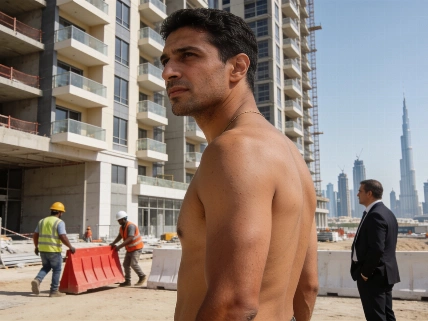
GCC Secretary General Jassim Mohammed Al Budaiwi has revealed a coordinated push to transform the Gulf into a single, interconnected tourism investment hub, aiming to attract global capital and outpace international rivals. Dubai hosted the high-level announcement.
Gulf states are no longer content with fragmented tourism strategies. In a decisive move unveiled in Dubai, GCC Secretary General Jassim Mohammed Al Budaiwi declared that the region is building a unified investment ecosystem designed to make the Gulf a single, seamless tourism market for global investors.
Rather than competing as isolated destinations, the six GCC countries are now aligning their tourism, aviation, infrastructure, hospitality, technology, and entertainment sectors. The goal: to create a cross-border investment environment that delivers scale, predictability, and resilience-qualities international capital demands in a volatile world.
Tourism investment surges as Gulf states coordinate
Al Budaiwi presented hard evidence of the region's momentum. In 2025, GCC countries welcomed approximately 75 million tourists, a 4.8% increase over the previous year. Tourist spending soared past USD 130 billion, more than tripling the 2020 figure. Intra-GCC travel also hit new highs, with over 20 million cross-border tourists, up 3.6% year-on-year.
Tourism's direct and indirect contribution to GCC economies exceeded USD 254 billion in 2025, representing 11.4% of GDP-well above the global average of 10.3%. The sector's annual economic growth rate reached 7.3% between 2019 and 2025, outpacing the worldwide rate of 6.7%.
These numbers are not accidental. Al Budaiwi credited robust coordination mechanisms, especially during periods of disruption. Emergency air traffic management teams held more than 65 meetings to ensure uninterrupted travel and rapid information sharing, demonstrating the region's institutional capacity to respond to shocks and maintain investor confidence.
From national ambition to regional integration
Each GCC country has developed its own world-class tourism assets and ambitious strategies. But the new approach is to leverage these strengths collectively, offering investors access to a vast, interconnected market with advanced infrastructure and growing demand.
Al Budaiwi was explicit: the GCC should not be seen as six separate destinations, but as a single investment platform built on diversity of experiences, integrated opportunities, and unified ambition. The message to global investors is clear-capital is welcome, but it will only stay where trust, transparency, and institutional credibility are guaranteed.
For Dubai and its neighbours, this shift is more than a branding exercise. It is a calculated response to the realities of global risk, where investors seek not just opportunity but also stability and the ability to navigate disruption. The GCC's coordinated model is designed to deliver both.
What emerges is a region determined to move beyond rhetoric. The Gulf's tourism sector is now positioned as a core pillar of economic diversification, job creation, and long-term growth. The real test will be whether this integrated approach can sustain investor trust and deliver on its promise of making the GCC one of the world's most attractive and reliable destinations for tourism capital. For now, the numbers and the strategy suggest the region is not just catching up-it is setting the pace.