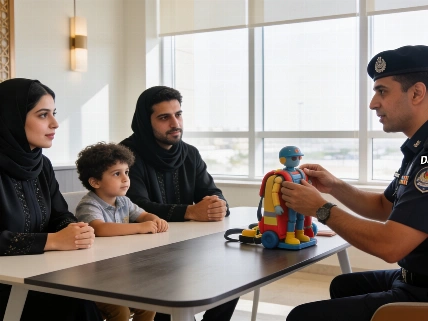

Dubai's Department of Economy and Tourism has launched the Little Consumer initiative, targeting 20 schools this year to equip students with practical consumer rights knowledge and responsible spending habits amid rising exposure to advertising and digital shopping.
Dubai is moving to tackle a new reality: children are now active players in the consumer marketplace, bombarded by advertising and digital offers before they even reach their teens. In response, the Department of Economy and Tourism has launched the Little Consumer initiative, a direct intervention designed to arm students with the tools to navigate this environment from an early age.
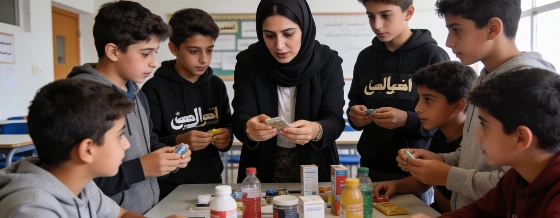
The programme is not a theoretical exercise. It is rolling out in 20 schools across Dubai this year, with the first stop at Sheikh Rashid bin Saeed Islamic Institute. Here, students are not just lectured-they participate in interactive sessions that break down consumer rights, smart purchasing, and the difference between needs and wants, all in language tailored to their age group.
Why Dubai is targeting students now
Children in Dubai are increasingly exposed to a relentless stream of products, promotions, and digital shopping platforms. The Department of Economy and Tourism's Consumer Protection Department sees this as a risk: without early education, young people are vulnerable to impulsive buying and misleading advertising. The Little Consumer initiative is a direct response, aiming to build a generation that can question, compare, and make informed decisions before spending money.
Ahmed Ahli, Director of the Consumer Protection Department, confirmed the scale of the rollout: "We are targeting 20 schools this year, bringing consumer awareness directly into the classroom environment." The goal is not just to teach rights and responsibilities, but to embed habits-like checking prices, reading expiry dates, keeping receipts, and knowing how to act if a product or service fails to deliver.
Inside the classroom: practical lessons for real life
At the launch session, students were guided through real-world scenarios: comparing products, verifying information, and understanding why it matters to keep a receipt. The content is stripped of jargon and focused on daily situations-how to spot misleading offers, what to do if a product is faulty, and how to distinguish between genuine need and fleeting desire.
Alia Al Hamrani, Head of Consumer Awareness, explained that the initiative is built around interactive, age-appropriate content. "We want children to see themselves as empowered consumers, not passive targets," she said. The approach is hands-on, using examples from students' own lives to make the lessons stick.
Building habits that last beyond childhood
Dr Ahmed Mohamed Nour Saif Al Mahri, Director General of Sheikh Rashid bin Saeed Islamic Institute, stressed that consumer habits are formed early. "Waiting until adulthood is too late. The patterns set in childhood can shape a person's financial decisions for life," he said. The initiative is designed to ensure that children develop the ability to question, verify, and act responsibly-skills that will serve them in a marketplace that is only getting more complex.
Dubai's Little Consumer initiative is not just about ticking a regulatory box. It is a calculated investment in the city's future economic resilience. By embedding consumer awareness in the classroom, Dubai is betting that today's students will become tomorrow's informed, confident buyers-less likely to fall for empty promises and more likely to demand transparency and value. In a city where the pace of commerce never slows, this is a rare example of policy anticipating the next generation's real-world needs rather than reacting after the fact.