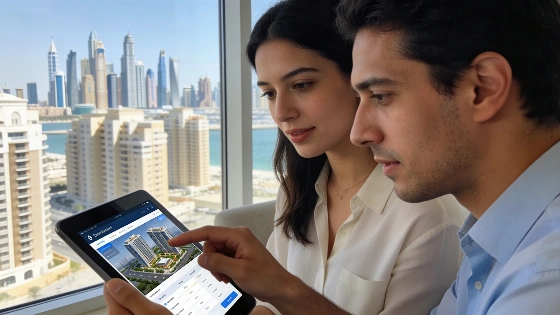
Property investment in Dubai no longer means tying up huge sums in a single apartment. That rule is fading fast. Now, investors with just AED 500 and a smartphone are stepping into the city's real estate market. The entry bar has dropped. The crowd is growing.
This isn't just talk. Stake, a leading platform, has let investors pool funds for 653 properties across 43 Dubai neighborhoods since 2021. Total investments in the UAE and Saudi Arabia have hit AED 1.5 billion. Stake says it has paid out more than AED 225 million to investors. The model works. It's not just accessible-it's running at scale. Stake operates under a DFSA Financial Services Permission from the Dubai International Financial Centre. The minimum investment is AED 500. Regulators are backing fintech innovation in Dubai.
How fractional property investment works
The idea is simple. Instead of buying a whole flat, investors buy a share. Sometimes, that share costs about as much as a single square metre. Legally, investors don't own a specific corner of a room. They hold an economic interest that matches what they put in. Some platforms let people start with just AED 500. That opens the door to many more investors. New players like PRYPCO Blocks are running campaigns to highlight this low entry point. PRYPCO Mint crossed AED 9 million in tokenised real estate investment in its first month, according to industry reports.
Dubai is testing these models at scale. The Dubai Land Department is pushing property tokenisation further. In February 2026, it launched the second phase of its tokenisation project. This phase allowed controlled resale of digital property shares in a regulated secondary market. The experiment involved trading 7.8 million property tokens. The goal: test market efficiency, transparency, and investor protection. The first tokenised Dubai property drew 224 investors from 44 countries. Seventy percent were first-time buyers in Dubai's property market. That's a big shift. Khaleej Times and Emirates News Agency coverage confirm the trend. The market is opening up to more than just traditional real estate investors.
The Dubai Land Department expects tokenised real estate deals to reach AED 60 billion by 2033. This isn't a small pilot. It's a major market move. The plan fits with the Dubai Economic Agenda D33, which aims to double the city's economy and cement its place as a global investment hub. The regulatory scene is changing fast. The Dubai Financial Services Authority and the Virtual Assets Regulatory Authority are shaping new rules to protect investors and support these ambitions.
Saudi Arabia's parallel surge in crowdfunding
Dubai leads in fractional property. Saudi Arabia is breaking records in debt-based crowdfunding. The Saudi Central Bank reports that debt crowdfunding platforms have raised SAR 11 billion (USD 2.93 billion) from 2016 to June 2026. This model lets businesses, especially SMEs, raise money from many investors. They don't need to rely on banks. The sector is moving fast. In July 2026, the Saudi Central Bank licensed Hema Platform for Crowdfunding. The market is still expanding.
Saudi rules cap the maximum outstanding funding for a single SME at SAR 7.5 million. Bigger firms and licensed real estate developers can get exceptions. Individual investors face limits too. They can't put more than 25% into a single funding request, or more than SAR 250,000 across all crowdfunding, unless they qualify for exemptions. These rules aim to keep innovation in check and protect financial stability. The Central Bank of the UAE has echoed this focus on fintech risk management in recent statements.
Liquidity and risk in the new investment landscape
Dubai's property crowdfunding scene has a new twist: a secondary market for digital property shares. In the past, investors couldn't sell their fractional stakes quickly. That was a big problem. The Dubai Land Department's pilot for secondary trading is trying to fix this. The system is still in a controlled, experimental phase. The Dubai Media Office says the government wants a transparent and efficient property market. Secondary trading is a step toward a more mature market.
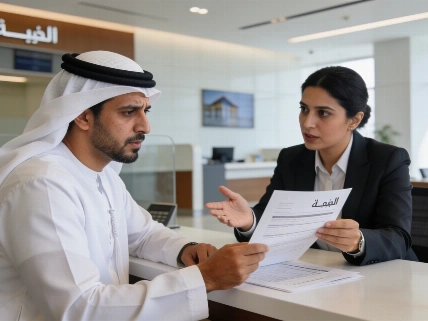
But easy entry doesn't erase risk. In debt crowdfunding, borrowers can default. In property, returns depend on rental yields, occupancy, and real estate prices. Rules are in place, but investors need to check exit conditions, liquidity, and fees before putting in money. Easy access doesn't mean easy profit.
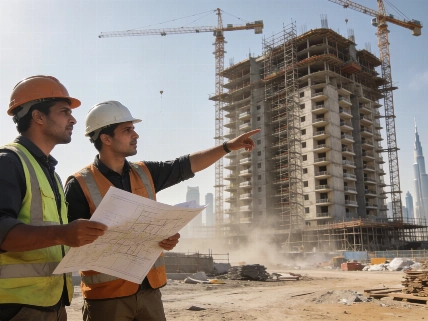
Several forces are driving this change. Digital financial services are everywhere. Investment apps are common. Governments want to diversify funding for businesses. Dubai and Saudi Arabia have huge property markets. Traditional buyers face high entry costs. Fractional models are attractive. For companies, crowdfunding is a flexible way to raise money. For individuals, it opens doors to assets that used to be out of reach.
These changes are happening as market pressures shift. Rising construction costs and uncertainty are already squeezing developers. Alternative funding and wider investor pools matter more than ever.
The numbers tell the story. Crowdfunding and fractional property investment have moved from niche ideas to mainstream finance in the Gulf. Dubai is testing secondary markets for digital property shares. Saudi Arabia is scaling up debt crowdfunding. The way capital flows into real estate and business is changing. Entry barriers are lower. Investor diligence matters more. This isn't a passing trend. It's a structural shift. The investment map of the region is being redrawn.