Ruslan Kravchenko disappeared from Kyiv's legal scene just hours before parliament voted him out. He left after anti-corruption agents raided his office. The raid exposed a web of property deals and family ties. At the center: a luxury villa in Dubai's DAMAC Lagoons. This villa now sits at the core of Ukraine's biggest corruption case in years. The story has pulled in global media, including Reuters and The National. It shows how international property deals and anti-corruption crackdowns collide.
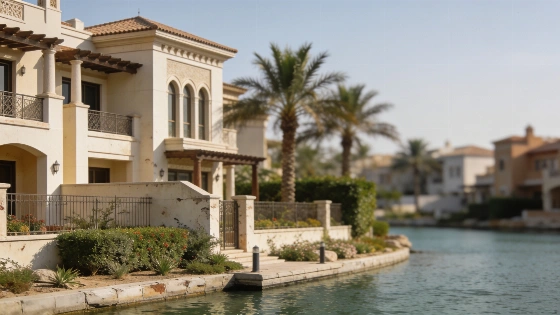
The scandal broke when "Schemes" journalists found that in July 2023, a villa worth about $670,000 (roughly AED 2.46 million) in DAMAC Lagoons, cluster Mykonos, was registered to Alina Shkrobanets. She is the mother of Kravchenko's former wife. At that time, Kravchenko led Kyiv's regional military administration. OCCRP and other outlets checked the documents. Alina denied buying any property in the Emirates. She said her personal data might have been used by someone else.
The story got messier. Alina's husband, Ihor Shkrobanets, sits on the Chernivtsi regional council. He must declare family assets by law. He did not list the Dubai villa in his 2023 or 2024 filings. By 2025, the villa's ownership had shifted to Andriy Kibash, a Kyiv restaurateur who manages La Veranda. Kibash has not explained where the money came from or how the property changed hands. Digital archives show a 2022 Instagram video of Kravchenko dining at La Veranda with his then-wife and her parents. That fueled more talk about their personal and financial links.
In just one year, the villa moved from the prosecutor's family to a well-known Kyiv businessman. Official records and public statements have not cleared up the timeline. Here's what is known: a 2022 dinner at La Veranda, a 2023 Dubai villa registration under Alina Shkrobanets, and a 2025 transfer to Kibash. Each step raised new questions. Was the villa used to launder money? Recent coverage in The National shows Dubai's anti-money laundering reforms are under the spotlight.
The Dubai villa is not the main target of Ukraine's criminal case. Still, its exposure has put Kravchenko's time in office under a harsh light. In September 2026, Ukraine's National Anti-Corruption Bureau (NABU) and the Specialized Anti-Corruption Prosecutor's Office (SAPO) raided the prosecutor's office. They accused an organized group of laundering over 42 million UAH. The money moved through illegal payments, real estate deals, and transfers to relatives. The fallout was fast. Kravchenko quit. Parliament voted to remove him. President Zelensky signed the dismissal, as reported by Interfax and Kyiv Post.
Kravchenko did not go quietly. He accused anti-corruption officials of overreach. He pointed out that NABU's chief was also under suspicion. Then he left Ukraine in an official car. On Telegram, he claimed he was on a "business trip abroad." That only made the public more suspicious. The prosecutor's office has started an internal review to check if Kravchenko's foreign travel was legal. Eurasianet and the office's spokeswoman confirmed this review.
The Dubai angle has drawn global eyes. It is not the first time Dubai's real estate market has been linked to financial scandals. As reported earlier, Dubai authorities now play a bigger role in cross-border probes. The city is a key spot for law enforcement and asset tracing. The Dubai Land Department and the Central Bank of the UAE (CBUAE) have stepped up compliance checks and reporting for big property deals. These moves fit with the UAE's anti-money laundering push and the Dubai Economic Agenda D33.
Dubai's luxury property market is under the microscope. The Kravchenko case shows how high-value real estate can become a magnet for global investigations. When official transparency fails, the risks grow. As Ukraine's probe widens, Dubai faces more questions about who really owns what and how well compliance checks work. The message is simple. In a world of leaks and digital records, hiding assets is getting harder. Regulators like the Dubai Financial Services Authority (DFSA) and the Virtual Assets Regulatory Authority (VARA) keep updating rules to match global standards. Recent WAM state news agency reports highlight these changes.