Sharjah's government has drawn a hard line against illegal housing. This week, the Executive Council approved a new committee to target unregulated accommodation and clamp down on residential violations. The decision came at a meeting led by Smo Sheikh Sultan bin Mohammed bin Sultan Al Qasimi. It marks a clear push to enforce housing rules and protect Sharjah's neighbourhoods. UAE media, including Gulf News and Khaleej Times, reported the move. The committee fits into Sharjah's wider plan for sustainable city management.
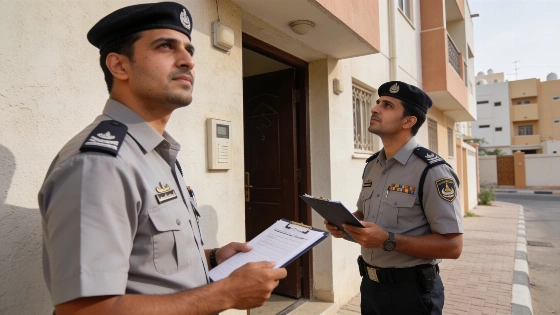
The committee will be headed by the chief of the Department of Municipal Affairs. Members include officials from Sharjah City Municipality, Public Prosecution, Sharjah Police, Civil Defence, the Sharjah Electricity, Water and Gas Authority, and the Department of Economic Development. Their job is to unify inspections, make sure housing laws are followed, and stop unsafe or illegal living arrangements. Gulf News says this is part of a bigger effort to tackle the growing problem of residential violations in Sharjah.
Bringing these agencies together closes loopholes. Unauthorised and unsafe housing has spread in some areas. The council's decision spells out the committee's legal powers, how long members serve, how they report, and how they issue new rules and publish enforcement actions. This approach matches the UAE's national reforms, like the Dubai Economic Agenda D33 and the Central Bank of the UAE's push for stronger compliance in real estate.
Sharjah's move comes as Gulf states look harder at housing practices. There are no new numbers for Sharjah, but the regional trend is clear. In Dubai, authorities found 2,395 violations for illegal construction and occupancy in the first half of 2026. That's according to data from Virgin Radio Dubai. Enforcement is rising. Emirates are trying to keep up with fast growth while making sure housing stays safe and legal.
The Executive Council also reviewed how government services are developing. The focus is on better service and more efficient operations. The meeting included an update on Sharjah Safari's fifth season. The safari now has over 120 animal species and more than 50,000 animals. That's a big step for biodiversity and education. The safari has added new activities and improved visitor experiences. Over 150 new animals were born, including rare species. These efforts fit with the UAE Vision 2031, which puts the environment and public service quality at the top. The Emirates News Agency (WAM) has covered these priorities often.
Sharjah's strategy is different from other emirates. For example, Dubai recently recognised executive leadership in government. Each emirate is taking its own approach to urban management and public service. The National has reported on how agencies are working together more closely to solve city problems. Integrated governance is gaining ground across the region.
With the new committee, Sharjah is set to ramp up inspections and coordinate enforcement. Landlords and tenants will be held to the rules. The council is acting because unregulated housing puts safety at risk, strains infrastructure, and lowers neighbourhood standards. The message is clear. The era of unchecked housing violations is ending. Sharjah wants growth that is legal, safe, and benefits everyone.