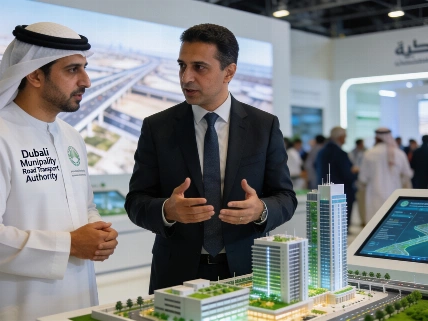
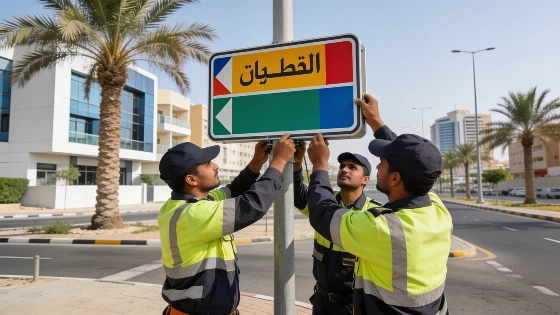
New address signs are about to change the way people find their way in Dubai. The Supreme Committee for Urban Planning, working with the Roads and Transport Authority and Dubai Municipality, has kicked off a citywide overhaul of street names and address markers. According to the ARN News Centre, this isn't just a matter of swapping out old signs. The city is doubling down on a plan to keep up with its fast-paced growth and give every neighbourhood a look that stands out.
More than 2,000 new or updated signs will go up in the first phase. The rollout starts with five areas: Zabeel 1, Zabeel 2, Nad Al Sheba, Al Khawaneej 1, and Nazwah. Each sign will use a unified design and a colour scheme that matches the area's geography. Blue will mark coastal neighbourhoods, while gold will show up in desert zones. The idea is to help people spot where they are at a glance and to tie the signs to Dubai's mix of city and natural landscapes. This push fits with the Dubai Economic Agenda D33, which puts a spotlight on modern infrastructure and keeping the city competitive worldwide.
How the new address system works
The plan covers 186 areas across 19 sectors, with the first installations set for this year in the five pilot neighbourhoods. The full rollout will stretch from late 2026 through 2030. The system brings in sector and area signs, street name plates, and house numbers, all designed to look clean and easy to read. Every house number plate will show a unique Makani code and a QR code. People can scan these codes with their phones to pull up details about the area, street names, and local spots. Dubai Municipality says the Makani system uses a ten-digit number to pinpoint building entrances with about one meter of accuracy. This helps with both getting around and linking up with digital services, but it won't replace the P.O. Box system for mail.
Colour choices weren't picked at random. The committee brought in a specialist consultant to make sure each colour fits the area's environment-blue for the sea, gold for the desert. The goal is for the address system to feel like part of the city's identity, not just a tool for directions. Down the road, the new look will show up at bus stops, on smart apps, and on area maps. Khaleej Times reports that this integration will reach public transport stops and digital platforms, making it easier for everyone to get around.
Who benefits and what changes
Dubai's officials have set clear rules for which areas get the new signs first. They're looking at how fast an area is growing, how many people live there, how central it is, and whether it has major residential or tourist spots. Places with lots of unnamed streets will move up the list. This way, the system tackles the biggest navigation headaches first and helps both locals and the city's busy tourism scene. Gulf News points out that the order is based on development speed, population, and how important each district is to the city.
Dubai Municipality has signed off on the final designs for house number plates, making sure they match the new address signs. Adding Makani codes and QR codes should make it much easier to find places and will give neighbourhoods a sharper look. The Emirates News Agency (WAM) says these digital upgrades are part of the UAE's bigger smart city plans, which also include new rules and digital government services to boost the economy and attract investment.
Dubai's push for urban innovation goes beyond just roads and signs. As reported earlier, the city is also putting money into cultural leadership and policy to shape what Dubai will look and feel like in the future. The new address system is another step in mixing practical fixes with a sense of place that's unique to Dubai.
Dubai isn't just swapping out signs for the sake of it. By weaving visual storytelling into the way people move through the city, officials are setting a new bar for what urban identity can look like in the region. The phased rollout, focus on local character, and use of digital tools show a city that wants every neighbourhood to be easy to find and hard to forget. For residents, businesses, and visitors, this is more than a cosmetic change. It's a plan to keep Dubai readable, liveable, and unmistakably itself as it keeps growing.