Dubai is moving fast. The city has rolled out the first Global Fellowship Programme with the World Cities Culture Forum. Dubai Culture wants to shape the next generation of cultural policy leaders-people who will decide how cities use creativity, heritage, and new ideas for years ahead. Both Emirates 24|7 and the Emirates News Agency (WAM) have confirmed the programme. This is a big step for the UAE's cultural diplomacy and soft power goals.
This is not just another training course. Cities everywhere are under pressure to grow sustainably, keep communities together, and boost their economies through culture. Dubai hosted the 13th World Cities Culture Summit, the first in the Middle East and North Africa. Now, the new fellowship brings together 20 experienced professionals from around the world. Five of them come from Dubai's own government: Hisham Sultan Al Olama, Afnan Abdullah, Moza Lootah, Noura Bin Kalban, and Hessa Al Jarwan. Each brings a different perspective from Dubai's cultural and civic scene. The other 15 fellows were chosen from the World Cities Culture Forum network. Each represents a different city. Dubai is serious about working with others and sharing knowledge.
Intensive programme with global reach
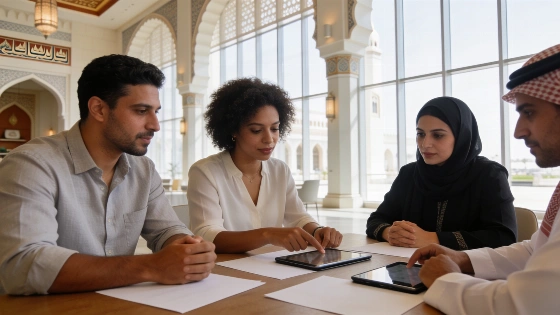
The fellowship runs for six months. It mixes in-person residencies with online masterclasses. The University of Oxford's Gardens, Libraries and Museums and the Aspen Institute provide the academic core. Fellows get access to top experts in urban cultural policy and leadership. The programme starts with an induction and ends at the 15th World Cities Culture Summit in Tokyo, set for 28-30 October. More than 150 global cultural leaders will attend, according to WAM state news agency reports.
Sessions will feature international experts like Justine Simons, founder and chair of the World Cities Culture Forum and London's Deputy Mayor for Culture and Creative Industries; Anne Hidalgo, former Mayor of Paris; Yvonne Aki-Sawyerr, Mayor of Freetown; Gail Lord, global cultural advisor; and Ricky Burdett, Director of LSE Cities. The agenda is bold. Fellows will look at building cultural cities, urban infrastructure, public-private partnerships, and how to make culture part of city planning. Each fellow must design a strategic cultural project for their own city. They will get help from peers, experts, and mentors from the Forum's network.
Dubai's strategic cultural ambition
Dubai sees this fellowship as a key tool. Hala Badri, Director General of Dubai Culture, calls it a foundation for Dubai's goal to become a global cultural leader. She says the only way to keep culture at the heart of city life is to invest in people. They need to turn problems into opportunities and create new ways for people to engage with culture. This fits with the Dubai Economic Agenda D33, which aims to double the city's economy and make culture a pillar of growth. Recent Dubai Chamber economic briefings back this up.
Justine Simons agrees. She says city leaders play a big role in using culture to make real changes. The fellowship connects new leaders to a global network and gives them the tools to make a difference at home. The academic partnership with Oxford and Aspen Institute blends leadership training, cultural policy, and urban development with international mentorship and hands-on project work, as Emirates 24|7 confirms.
From theory to action
The programme is not just about ideas. From November 2026 to March 2027, fellows will join online sessions that dig into the real work of cultural leadership and policy. They will look at power, influence, and teamwork in city government. Each fellow will build a strategic cultural project for their city, with guidance from senior mentors in the World Cities Culture Forum. This practical focus matches the UAE's push for public sector innovation, led by the Ministry of Culture and Youth and supported by rules from the Dubai International Financial Centre (DIFC) and the Dubai Creative Economy Strategy.
The final stage is a five-day residency in Dubai in spring 2027. Fellows will move from learning to doing. They will connect with local groups and dive into Dubai's cultural scene. This hands-on phase is meant to turn global best practices into real strategies. It lines up with the Dubai Cultural Strategy (DC33) and its focus on global leadership, creativity, and identity. Emirates 24|7 has clarified that the programme calendar blends online and in-person work to reach more people and boost impact.
Dubai is not working alone. The city's push to unify and modernize its public assets, as reported earlier, shows a bigger plan to use data, talent, and global teamwork to prepare its urban and cultural infrastructure for the future. The government is also working to attract foreign investment into creative industries. The UAE Central Bank (CBUAE) reports strong growth in non-oil sectors and creative economy contributions to GDP.
The fellowship brings together people from cities like Austin, Boston, Bratislava, Busan, Edinburgh, Guangzhou, Johannesburg, Kyiv, London, Milan, Rio de Janeiro, Seoul, Toronto, Vienna, and Warsaw. Dubai wants to be the place where global cultural leaders meet and learn. The message is simple. The future of cities will be shaped by those who can connect local heritage with global innovation. Dubai wants to lead that conversation. This fellowship is more than a programme. It is a challenge to other cities to match Dubai's ambition and invest in the people who will shape the cultural future of urban life.