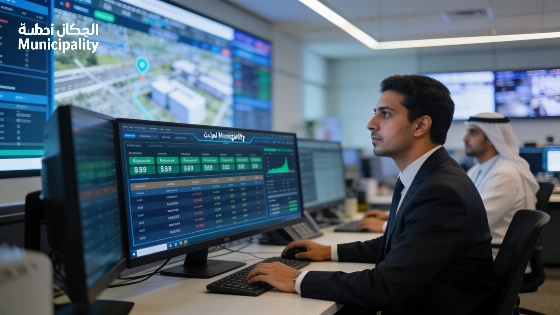
More than 350,000 public assets in Dubai now sit under one digital roof. Dubai Municipality has rolled out a unified data platform, pulling together technical, financial, operational, and geographic details for every asset it oversees. The backbone is IBM Maximo Application Suite 9.1. This isn't just a software update. It's a major overhaul in how the city tracks and manages its public property. The Emirates News Agency (WAM) says the project fits into the Dubai Economic Agenda D33, which pushes for digital transformation and sustainable growth.
The numbers are big. Dubai Municipality controls one of the city's largest and most varied asset portfolios. These assets keep municipal and urban services running. Now, all asset data flows into one place. The system links with ERP, CRM, GIS, IoT, and other platforms. Every asset's journey-from purchase to daily use, repairs, and final retirement-gets tracked. The new data structure covers asset type, location, ownership, department in charge, maintenance logs, and financials. A recent Zawya report details these changes.
New approach to asset management
IBM Maximo 9.1 brings more than new tech. It signals a shift to automated, integrated control. Dubai Municipality can now automate tasks, set governance rules, and keep asset data steady across all departments. This setup cuts out duplicate work. It speeds up decisions. Public services run smoother. The platform covers at least five main areas: asset registry, data updates, inventory and warehouse, technical maintenance, asset retirement, inspections, advertising, and both investment and budget planning. Dubai Media Office confirmed these details.
IBM has named Dubai Municipality a leader among UAE government bodies for using this advanced system. That's a strong endorsement. Still, there's no independent economic impact review yet from regulators like the Central Bank of the UAE or the Dubai Financial Services Authority (DFSA). That could come later.
What this means for Dubai
With all asset data in one place, Dubai Municipality can plan, maintain, and use public resources better. The city wants data-driven control. This move helps. Residents and businesses who depend on city services should see the benefits. The digital push goes further. The municipality is building a geospatial system, including 3D models for over 195,000 buildings. It's also tying digital twin tech to the emirate's NOC certification system, according to The National.
Dubai isn't slowing down on digital transformation. By merging data and automating control, the municipality boosts efficiency and cements its image as a modern authority. This sets a new bar for cities in the region. The approach matches the UAE Vision 2031 and ongoing smart city plans. The message is clear. Dubai wants to lead in tech-driven urban management.