
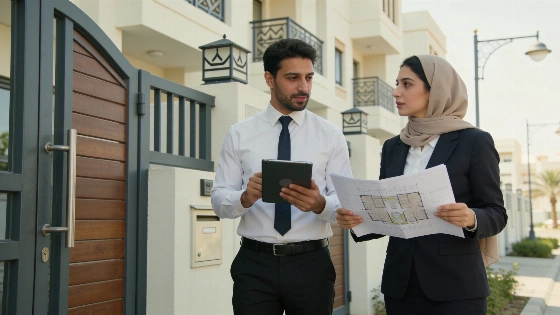
Shared housing in Dubai is about to look very different. The city has rolled out a tough new guide that spells out exactly how shared accommodation must operate in more than 44 districts. The rules are strict. Dubai Municipality wants to stop overcrowding, make homes safer, and protect both owners and tenants. The new law, Dubai Law No. 4 of 2026, took effect in August 2026. Licensing applications opened on the Dubai Building Platform on 8 September 2026, according to Al Khaleej business reports.
Owners and real estate managers now have a clear deadline. They must bring all shared housing buildings up to code within one year from 8 September 2026. But there is no grace period for anything that puts public safety at risk. Those violations must be fixed right away. The Emirates News Agency (WAM) says this law is part of Dubai's bigger push for better urban management. It fits with the Dubai Economic Agenda D33 and the city's goal for sustainable, high-quality living.
What the new shared housing rules demand
This guide is not a suggestion. It is mandatory. The rules cover planning, building design, technical systems, and health standards. For single tenants, each person must get at least 5 square metres of bedroom space. No more than four people can share a bathroom, as Gulf News reports. For families, every household must have its own bedroom and en-suite bathroom. Privacy is required. The guide also demands proper kitchens, bathrooms, dining, recreation, and laundry areas. These must match the number of residents and the type of occupancy.
Only buildings in the 44+ approved areas can be used for shared housing. These include Al Souk Al Kabir, Al Ras, Al Warqaa 1, Al Barsha 1, Al Muraqqabat, and Al Rigga. Each building must serve either individuals or families, never both. Labour accommodation is not covered by these rules. It has its own laws. On main commercial and tourist roads like Sheikh Zayed Road, Jumeirah, Al Wasl, and Baniyas, shared housing is only for families. Individuals are not allowed in these zones. Dubai Municipality and The National have confirmed this restriction.
Enforcement and digital integration
Dubai Municipality is working with other agencies. The new system links up with the Dubai Land Department, Dubai Civil Defence, and the Security Industry Regulatory Agency (SIRA). Before a permit is granted, every property must pass fire safety and surveillance checks. All permits and renewals go through the "Building in Dubai" platform. This keeps the process digital and ensures only approved buildings are registered for shared housing. For new or renovated buildings and villas, owners need a construction license. An engineering consultant must submit the application. They must list all units, room details, occupancy types, and show the building meets the rules.
Engineer Maryam Al Muhairi, Executive Director of the Building Regulation and Licensing Agency at Dubai Municipality, put it plainly. The goal is awareness, empowerment, oversight, and compliance. Dubai wants to keep its image clean and orderly. The guide is meant to help owners and managers understand their duties. It sets out what they must do to avoid unsafe or overcrowded homes. The Dubai Media Office has warned that breaking the rules can mean fines up to AED 1 million. Owners, consultants, and contractors must follow all planning, building, and health codes. No exceptions.
Implications for property owners and residents
Owners and management companies need to act fast. They must check their buildings and upgrade if needed. The one-year window is generous, but the city will not ignore safety risks during this time. Any dangerous violations must be fixed at once. The new rules should lower crowding, improve living standards, and protect privacy and rights. In family units, more than one family can live in a single flat, but each must have its own bedroom and bathroom. Emirates 24/7 and municipal guidance make this clear.
This overhaul is part of Dubai Municipality's bigger digital push. The city has already moved to unify asset management, as reported earlier. The shared housing rules are another step to modernise Dubai's urban life. The Central Bank of the UAE (CBUAE) says these clear rules help investor confidence and match Dubai's plan to attract sustainable foreign investment.
Dubai's new shared housing rules are a sharp break from the past. The city is setting strict standards, using digital checks, and making the process transparent. The message is clear. Overcrowded, random shared housing is finished. For owners, the countdown has started. For residents, safer and more private homes are on the way.