
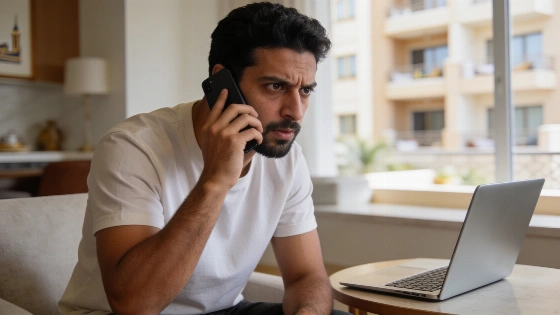
Scammers in Dubai are now using artificial intelligence to copy voices and faces. They target people with fake requests for money or private information. The tricks are getting sharper. It is harder than ever to tell real messages from fakes. According to Emirates 247, UAE authorities have stepped up their fight against these AI crimes. Dubai has set up a special unit to handle cases involving artificial intelligence.
Dubai Police posted a direct warning on their official X account. They told residents not to trust a voice or image alone when checking who is calling or messaging. AI tools now let criminals copy both. That means anyone can pretend to be a friend, a family member, or even an official group. The goal is to steal money or private data. Dubai Police's electronic forensic lab uses advanced systems to check faces, voices, and videos. They prepare expert reports on AI misuse and spot deepfakes. Al Bayan confirmed these details.
How AI is changing the face of fraud
Old scams used simple tricks. Now, AI scams can copy a person's voice or face almost perfectly. Fake requests look real. Dubai Police warned people not to answer sudden or urgent requests, especially if they ask for money or personal details. Always check the source through official channels. Police have seen AI used for phishing, data theft, deepfakes, fake web pages, and hiding illegal money through many transfers and wallets. Fake job ads are a new danger. Some job seekers have been tricked into giving their bank accounts to move money tied to fraud or laundering. This can lead to criminal charges. Emarat Al Youm and WAM state news agency both reported on these cases.
Dubai's digital growth has made life easier for many. The city has invested in unified data systems to manage public assets, as reported earlier. But the same tech that helps the city is now being used by criminals. Trust is at risk. Brigadier Saeed Mohammed Al Hajri, who leads the cybercrime unit, said deepfakes are no longer just short clips. AI can now make long, realistic videos with matching voices and faces. Dubai Media Office and Reuters have both covered this trend. The threat is growing.
Official advice for residents
Dubai Police have one main rule: always check who is asking for something unusual or urgent. Use official, trusted channels to confirm. Never trust a voice or image alone, no matter how real it seems. This is the only way to avoid falling for these new scams. The Ministry of Interior is pushing this message with the "UAE is Safe With Your Digital Awareness" campaign. The campaign started during Cybersecurity Awareness Month. It tells people to check sources, confirm identities, refuse to share private data, and keep software up to date.
Digital threats keep changing. Every resident needs to stay alert. The police warning is clear. But it only works if people listen. Dubai is a high-tech city. The line between real and fake is thin. Double-check everything. Scepticism is now a must for safety. The Central Bank of the UAE and regulators like the Dubai Financial Services Authority (DFSA) are watching the economic effects of cybercrime. Their work fits with the Dubai Economic Agenda D33 and the UAE Vision. The goal is a safe digital world for everyone living and investing in Dubai.