Emaar Properties has postponed the tender for Dubai Creek Tower, citing global port closures and cost controls, while forecasting that Dubai's property market will reach equilibrium by 2027 after years of rapid growth. Major new projects remain in the pipeline.
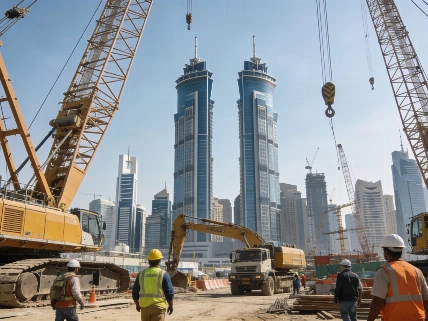
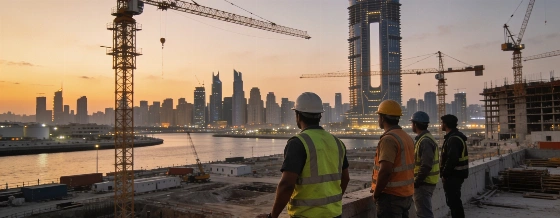
Dubai's property market is not immune to global disruption. Emaar Properties has put the brakes on the tender for its high-profile Dubai Creek Tower project, a move triggered by the closure of several international ports and the resulting volatility in construction costs. This decision signals a tactical pause in the city's relentless development drive, even as the market continues to surge.
Speaking at the "UAE Safe Haven and Investment That Never Loses" session, Emaar's managing director, Mohamed Alabbar, revealed that the company is prioritising cost discipline over speed. "We have decided to delay the Dubai Creek Tower tender to ensure we maintain control over costs and pricing," Alabbar stated, directly linking the postponement to global supply chain disruptions.
Despite this strategic delay, Emaar is not stepping back from ambitious development. The company is preparing to unveil details and pricing for a new urban mega-project next week, with a staggering AED 200 billion earmarked for development. This announcement comes on the heels of the 2024 redesign of Dubai Creek Tower, a project first launched in 2016 in partnership with Dubai Holding and now estimated at AED 3.67 billion.
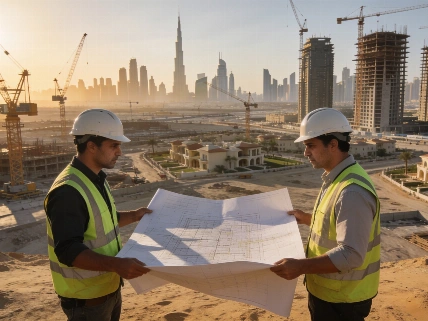
Dubai Creek Tower is more than just a skyscraper. It anchors the Dubai Creek Harbour master development, which spans 7.4 million square metres of residential space, 500,000 square metres of parks and open areas, and a network of commercial, leisure, and luxury facilities. The project's scale and integration with the city's urban fabric make its progress a bellwether for the wider market.
Alabbar's outlook for the property sector is clear: after four years of robust expansion, he expects Dubai's real estate market to reach a phase of "commitment and balance" by 2027. This forecast is not just rhetoric. Emaar's decision to delay a flagship tender, rather than push ahead at any cost, is a rare public signal that even Dubai's largest developers are recalibrating in response to global headwinds.
While malls and airports in Dubai continue to operate at full capacity, the underlying message is that the city's property boom is entering a more disciplined era. The next twelve months will test whether developers can maintain momentum without fuelling unsustainable price escalation or overextending supply. Emaar's calculated restraint, paired with its readiness to launch new mega-projects, suggests that Dubai's property market is maturing-trading breakneck expansion for long-term stability. For investors and residents alike, the coming years will reveal whether this new balance delivers on its promise or simply sets the stage for the next cycle of disruption.