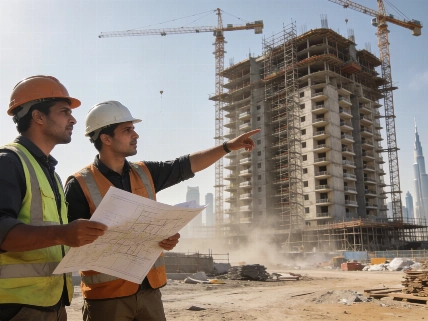
Dubai's real estate scene looks different now. By late 2026, the city split into clear tracks. New supply flooded the market. Buyers became pickier. Developers and investors had to adapt fast. The Dubai Land Department reported 104 projects finished in the first half of 2026. That meant 24,537 new homes and over AED 111 billion in investment. The city is still pushing big urban growth, in line with the Dubai Economic Agenda D33.
The old days are gone. Not every neighborhood rises together anymore. Off-plan projects and ready homes now move on separate paths. Each faces its own pressures. More developments mean more choices for buyers. But it also means developers are fighting harder for attention and trust. The contest is fierce. Sobha Realty plans to hand over 6,819 units in 2026. That's a record, worth about AED 21.6 billion, according to Gulf Construction Online. The stakes are high.
Buyers call the shots as competition heats up
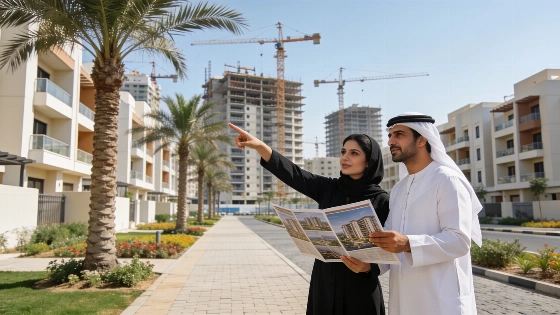
Buyers see the change first. There's more to pick from than ever. In the third quarter of 2026, Dubai logged over 52,000 real estate deals. The total value hit AED 154 billion, based on Zawya's market data. Off-plan sales still made up a big chunk of deals. But finished homes took a bigger share of the money. Why? Flexible payment plans and low entry prices pull buyers to off-plan. But ready homes offer instant move-in and rental income. Both sides have their fans.
Dr. Mohanad Alwadiya, CEO of Harbour Real Estate, says the luxury market now follows global money, rare assets, and a hunt for quality. Even at the top, buyers are choosier. Prices are up. Blanket price jumps are over. Investors now check location, developer history, and real returns before spending. The latest Harbour Real Estate market report shows developers are not just chasing demand. They want a bigger slice of a more selective crowd.
Developers feel the squeeze. In just six months, AED 111 billion went into finished projects. Over 24,500 new homes hit the market, confirmed by the Dubai Land Department. Now, the fight is in the details. Location matters. Payment plans matter. Real value-not hype-matters most. The Emirates News Agency (WAM) has covered the government's ongoing reforms and infrastructure spending. These moves keep the sector strong and attractive for both local and foreign investors.
Geopolitics and risk recalibration reshape investor behaviour
Regional tensions add new risks. Alwadiya points out that recent geopolitical shifts made some investors rethink their bets. Many now spread their money wider. Dubai's image as a safe, stable place draws those looking for security. But Dubai's pull is not just about trouble elsewhere. The city has strong infrastructure, clear rules, a growing population, and a global business and tourism scene. The Dubai Media Office keeps stressing Dubai's safe-haven status. Transparent rules and a push for economic diversity back that up.
The market keeps moving. Mortgage deals reached AED 49 billion across 12,332 transactions. Property gifts hit AED 12 billion in the third quarter alone. Sales have slowed from past booms. But this is a reset, not a crash. The real question is which areas and property types are winning. Cash buyers made up about 68% of residential deals in the first nine months of 2026. That shows steady faith in Dubai's property basics, as Angel in Dubai summed up from official DLD records.
Buyers are more careful now. They look for real, lasting value. The best properties have strong locations, fair prices, trusted developers, and real demand. Not every part of the market moves together. Some communities or projects go their own way.
Luxury and branded residences redefine the high end
The luxury story stands apart. In the first half of 2026, Dubai saw 296 home sales above USD 10 million. That's over USD 5 billion. But even here, demand is splitting. Some buyers now look at homes priced between AED 1 million and AED 2 million. In September, Dubai became the world's top city for branded residences. There are 175 projects-68 finished, 107 still coming. The National covered this trend. It shows Dubai's global draw and how the high-end market is getting more complex and divided.
Summer data showed primary sales cooled off. But secondary market deals jumped 18%. More buyers want ready homes. They want rental income now, not later. Off-plan buyers weigh the risks of waiting for handover. The shift is clear.
For anyone watching Dubai's property market, this phase is about smart choices, not blind optimism. A recent analysis points to new investment models and digital platforms. These are opening doors and changing what investors expect.
Dubai's property market now tests who can choose well. New supply is everywhere. Payment plans are flexible. Regional politics keep shifting. Only the strongest assets and most credible developers will shine. For buyers and investors, the real win is picking the right project, the right spot, and the right type. This market rewards careful selection, not wild bets.