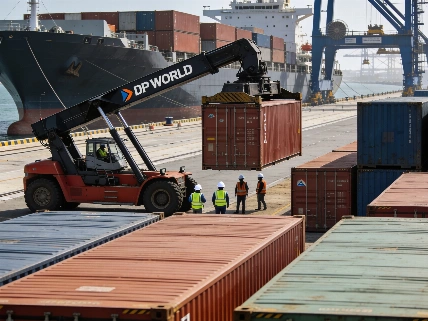
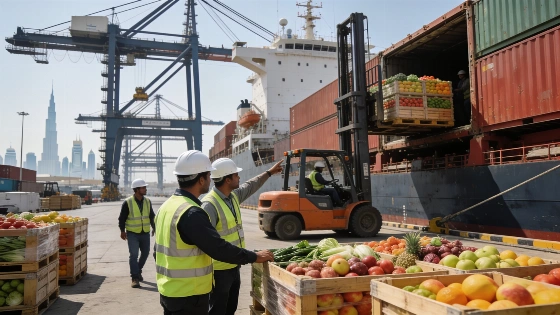
Fresh fruit and vegetables bound for Dubai now face a race against time. Regional shipping delays are putting the city's food supply chain under real strain. The Ports, Customs and Free Zone Corporation, working with Dubai Chambers, has ordered urgent steps to keep perishable goods moving. Emirates News Agency (WAM) says these actions fit into the UAE's food security plan and show Dubai's strength as a logistics hub.
There's a new rule in place. Perishable food shipments get top priority at Dubai's ports. This came after a high-level meeting. The Ports, Customs and Free Zone Corporation set up a joint committee led by Ibrahim Al Balushi, Executive Director of Dubai Ports Authority. The group will keep a close watch on berthing order, demurrage fees, and transport problems by sea and land. Abdullah bin Damithan, CEO of the Ports, Customs and Free Zone Corporation, warned that longer waits at regional ports are cutting into the shelf life of fresh produce. The Dubai Media Office says the city is making sure all stakeholders know about these changes. The message is clear.
Fast lanes for food, big cuts to fines
Dubai Customs has rolled out emergency measures to fight back against shipping delays and rising land transport costs. Customs grace periods for suspended duties now stretch an extra 120 days. Importers can use temporary instalment plans for duties. Fines in customs cases have been slashed by 80%. The exemption threshold for e-commerce shipments is higher, too. The goal is simple. Keep goods moving and prices steady in Dubai's markets. The UAE National Association of Freight and Logistics says shipping costs into the Gulf have jumped by 300-500%. War risk premiums, rerouting, and fewer ships are to blame, as reported by Gulf News.
Dubai Trade now has a dedicated channel to show all fees. There's also a complaints channel for traders to challenge unfair increases. The Ports Authority has set up an independent review for disputed charges. They promise quick, fair answers. These changes match the Dubai Economic Agenda D33, which calls for smooth trade and clear rules. No time wasted.
Joint task force keeps watch
A joint follow-up committee is now in action. Ibrahim Al Balushi leads the group. It brings together government officials and fruit and vegetable traders. They meet often. Their job: set clear plans for priority berthing, unloading, and reviewing shipping and land transport fees. The committee keeps Dubai Chambers and federal ministries updated. The work is ongoing.
Dubai's ports are already seeing results. Hamriya Port handled 436,000 tonnes of general cargo in 2025. Over 700,000 livestock passed through each year. Rashid Port's food cargo hit 25,618 tonnes so far in 2026, up from 20,547 tonnes in 2024. Ship calls have doubled to about 600. These moves brought in AED 134 million more in trade value and a 60,000-tonne jump in fruit and vegetable volumes during May and June 2026 compared to the two months before. Dubai Customs says over 112,000 customs declarations went through the green corridor in March and April 2026. That's a surge.
Public and private sectors join forces
Mohammed Ali Rashid Lootah, Director General of Dubai Chambers, says direct talks between government and business give Dubai an edge. "We are committed to working with fruit and vegetable traders to turn their feedback into clear priorities for the joint committee, strengthening supply chain resilience and ensuring food availability in Dubai's markets," he said. This teamwork was echoed at the Future Food Forum 2026 in Dubai. Participants stressed the need for diverse supply chains and strong logistics to handle regional shocks, as reported by TradeArabia.
The meeting at the Ports, Customs and Free Zone Corporation's Mina Rashid headquarters drew top names. Abdullah Al Hashmi, Chief Operating Officer of DP World Group, and Dr Abdullah Al Ghafri, Deputy CEO of Dubai Economic Security Centre, were there. The agenda was simple. Keep essential goods flowing, hold prices steady, and protect Dubai's food security. Despite the turmoil, essential goods are still reaching UAE markets. Shipments have been rerouted through Fujairah, Khor Fakkan, and Omani ports. This cuts reliance on any single route, as Gulf News points out.
Dubai's response stands apart from others in the region. City officials moved fast with practical fixes. This fits Dubai's wider habit of acting early, as seen in recent business support drives. From October 2026, the Maritime Pre-Load Cargo Information regime will require detailed bill of lading data 24 hours before loading at the last foreign port. NaviLink Global and UAE government sources say this will tighten compliance and risk checks. No shortcuts allowed.
Dubai's ports and customs teams have shown that fast, coordinated action works when supply chains are at risk. By putting perishable food first, cutting penalties, and making fees transparent, they have set a new standard for crisis response in the region's food trade. Dubai's ability to adapt on the fly is why the city still leads as a global logistics and trade hub, even as outside pressures grow.