Dubai Police are not waiting for traffickers to make the first move. In less than a year, the Drug Observatory has tracked more than 95 narcotic substances and their metabolites. That number shows just how complex the synthetic drug problem has become in the city. But this figure comes from news reports. Official UAE government portals, including the Dubai Police official portal, confirm the agency exists but do not list the Observatory or the exact count of substances tracked.
The Observatory does not just react to what shows up in police cases. Its team hunts for new compounds before they hit the streets. They watch for changes in chemical formulas. Drug makers often tweak recipes to dodge the law. Dr. Ibtisam Al Abdouli, who leads the centre, says the work now covers much more than routine lab tests. The team looks for new ways drugs are hidden or used. That includes liquids for e-cigarettes, drug-soaked papers, and even eye drops.
Tracking new drug trends and concealment methods
The Observatory started in August 2023. By 2025, it became a top priority for Dubai's anti-narcotics plan. Its findings shape decisions for the Ministry of Health, Dubai Municipality, Dubai Customs, forensic labs, and anti-narcotics teams across the country. The experts do more than list what gets seized. They check raw materials, watch for odd amounts of chemical precursors, and compare their results with global science reports. The fight does not end when a substance is banned. Makers just change the formula. Authorities are forced to keep chasing.
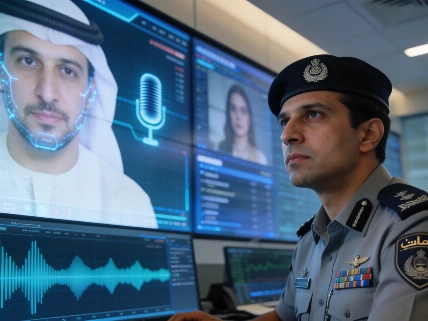
Six new substances have been the focus lately. The team uses artificial intelligence to guess what chemical tweaks might come next. They match these guesses with real cases. The Observatory also studies how drug type, strength, and location connect. This gives field teams real leads. Enforcement stays with the proper authorities. All the substances found in recent cases came from outside the UAE. No local drug labs have been found so far.
Inside the science of detection
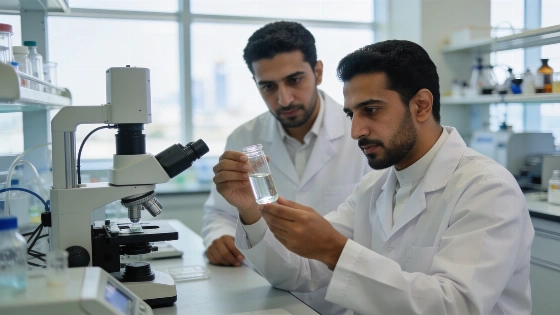
The Observatory's toxicology work goes deeper than just spotting drugs in their original form. Senior toxicology expert Faisal Mohammed Al Teneiji explains that the body breaks drugs down into metabolites. These can look very different from the original drug. The team runs lab tests with liver enzymes to map these changes. Most police labs do not go this far. This is key for synthetic cannabinoids and designer drugs. Standard tests often miss them. Even if the original drug is gone, its metabolic fingerprint can show what was used. This is true for heroin and other drugs that break down fast.
Teamwork matters. The Observatory checks with labs around the world to see if a new substance has been spotted elsewhere. If it has, they work together to make sure UAE law covers it. The National reports that Dubai Police scientists are teaming up more with international partners. Synthetic drug trafficking is a global problem now.
Adapting to new patterns of use
Senior toxicology expert Huda Suleiman Said points out that drug hiding and use are changing fast. Drugs are no longer just powders or solids. Now they show up in vape liquids and on paper soaked or sprayed with chemicals. The Observatory works with research groups to study how these new methods affect dose and exposure. They want to know what this means for the body. In October 2026, Dubai Police seized 2.323 kilograms of narcotic and psychotropic substances. The haul included Xanax, Tramadol, Lyrica, crystal meth, cannabis, eye drops (Mydriacyl), and drug-soaked paper. The value topped AED 115 million, according to Dubai Eye 103.8 and The National. That is a huge sum.
Dubai is not alone in this. As reported earlier, the UAE government is pushing innovation to get ahead of new threats. The Drug Observatory is a clear example. The Emirates News Agency (WAM) and Dubai Media Office both say these efforts fit with the Dubai Economic Agenda D33 and the wider UAE Vision. The focus is on public safety, new rules, and working with other countries.
The facts are plain. Dubai is not just reacting to drug threats anymore. The city is using advanced science, real-time intelligence, and teamwork across agencies. The Drug Observatory is raising the bar for drug detection and policy. Staying ahead is the only way to stop traffickers and protect public health. That is the new standard.