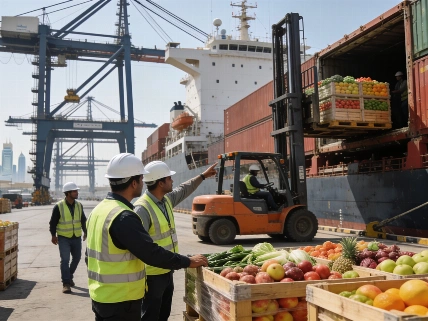

Supply chain leaders are changing course. The latest DP World Trade Monitor shows that resilience now tops the list of priorities, pushing cost cutting aside. In the survey, 84 percent of executives said adaptability and diversification are now central to their plans. That is a big shift. Companies are rethinking how they handle risk and growth. The DP World CSCO Pulse Report 2026 backs this up. It found that 86% of supply chain leaders see access to alternative and multimodal trade routes as a real edge. Network options matter more than ever as global disruptions keep coming.
This is not just talk. The report draws on an August survey of 103 supply chain heads from 14 markets and nine industries. It found that 71 percent plan to widen their supplier base in the next year. Leaders are already changing how they manage inventory, where they produce, and how they source. They want to stay nimble as trade rules, tariffs, demand, and geopolitics shift. DP World confirmed in October 2026 that companies are not just adding new suppliers. They are also reworking inventory levels, production sites, and procurement models to build stronger supply chains.
Resilience becomes the new competitive edge
DP World Group CEO Yuvraj Narayan says global trade and supply chains never stand still. Companies are not backing down from uncertainty. Instead, they are creating more ways to source, move goods, and reach customers. Narayan points out that the supply chain chief's job is changing fast. Supply chain choices now shape where a company can grow, how fast it can enter new markets, and how well it can react to change.
The report calls this a move away from pure optimization. Now, companies want practical diversification. They are building supply chains for more than just cost and speed. They want options that can handle new rules and sudden shocks. A recent Logistics Management analysis found that 74% of shippers and 61% of third-party logistics providers plan to diversify both their suppliers and sourcing regions. More than two-thirds are dealing with wild swings in transit times and tight transport capacity. Narayan says the real opportunity is to build networks that mix efficiency with flexibility. That gives companies the clarity and connections they need to keep growing, even when things get rough.
Supply chain leadership takes centre stage
The shift goes deeper than operations. Supply chain leadership itself is changing. A huge 93 percent of supply chain heads say their role in driving business growth has become more important in the last three years. The research shows these leaders now help decide where to enter markets, where to invest, and how to manage risk. They are not just running logistics anymore. The Emirates News Agency (WAM) reports that the UAE government is making supply chain resilience a top goal. It is part of the Dubai Economic Agenda D33 and the wider UAE Vision 2031. New rules and big investments in infrastructure are helping the logistics sector change fast.
Dubai's logistics sector has already had to adapt. Earlier reports showed how officials moved quickly to prioritize perishable goods when shipping delays hit. The new DP World findings suggest these quick fixes are now part of long-term plans. Resilience and having options are here to stay in supply chain design. Analysts at Roland Berger point to practical steps: pre-agreed backup transport, risk-based inventory, and supplier lists that do not depend on sea routes. UAE-based firms are picking up these tools, following advice from the Dubai Media Office and the Central Bank of the UAE.
The message is clear. The era of chasing only lower costs is over. Supply chain leaders are now builders of business growth. Their job is to create strong, flexible networks that can handle shocks and open new doors. Companies that do not keep up will fall behind. Resilience is now the measure of supply chain success.