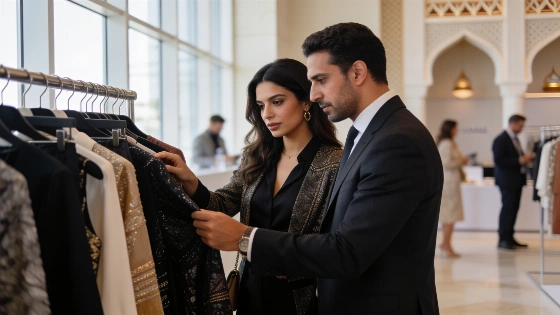
Dubai's fashion ambitions now reach far beyond the catwalk. Fashion weeks in the city have started to fill hotels, drive retail sales, and bring in international business. What used to be a seasonal show has turned into a steady economic driver. This fits with the Dubai Economic Agenda D33, which aims to double the emirate's economy and cement its place as a top global city.
Paris, Milan, New York, and London have long set the pace for fashion. But Dubai is quickly building its own scene. The city is blending creative industries, tourism, and business into one ecosystem. This is changing how cities use fashion events to keep their economies moving. The Dubai Department of Economy and Tourism says the city's GDP grew 2.4% year-on-year in the first quarter of 2026, reaching AED 232 billion. Events-driven sectors played a big part in this, according to Forbes.
Fashion weeks as economic engines
In the big fashion capitals, the numbers tell the story. Paris hosts about 400 shows each year and draws around 100,000 visitors to its professional fashion events. The Institut Français de la Mode reports these shows bring in about €1.2 billion (about $1.4 billion) for the city every year. Hotels, restaurants, transport, and creative firms all see a boost from the crowds of guests and industry workers.
New York's fashion week, held twice a year, brings in an estimated $887 million in economic activity. It supports 180,000 jobs and more than 23,000 companies. London's events generate over £100 million (about $135 million) in commercial orders each season, with direct retail sales to international buyers reaching £131 million (around $177 million). These numbers show that the real value of fashion weeks is in the business and creative work they spark across the city-not just the runway shows.
Dubai's rise as a fashion and business center
Dubai Fashion Week has quickly earned a spot on the global calendar, with two editions set for 2025. The Spring/Summer 2025 event brought together more than 30 brands from France, India, Italy, Kuwait, Lebanon, Malaysia, Palestine, Russia, the UAE, and the UK. The Italian Trade Agency joined in, bringing 25 Italian brands and adding to the event's international business focus.
The Autumn/Winter 2025-2026 edition in September 2025 grew even bigger. More designers and brands from new markets joined. The event now includes special programs for buyers and business networking, showing Dubai's push to turn fashion buzz into steady trade and investment. The Dubai Festivals and Retail Establishment keeps an updated list of official news and publications, showing the city's focus on transparency and sector growth, as seen on the Dubai Festivals and Retail Establishment portal.
Dubai is not just putting on shows. The city is building a full ecosystem that links designers, buyers, retailers, and creative workers. The goal is to make sure the benefits of fashion weeks last beyond the event dates. This supports local businesses and strengthens Dubai's place as a global spot for both tourism and trade. The Dubai Media Office and Emirates News Agency (WAM) often cover these moves as part of the city's bigger plan for creative industries.
Regional rivals and global ties
Dubai is not the only city in the region making moves. Riyadh held its third fashion week in October 2025, with over 25 runway shows, 10 presentations, and events across the city. For the first time, international brands joined in, and the event drew buyers and media from around the world. The Saudi Fashion Commission says the first three editions brought in more than 100 brands and about 27,000 visitors, raising media attention and business links for those taking part.
Saudi Arabia is also building global ties. The Fashion Commission signed a deal with WHITE Milano to open its first international showroom in the Kingdom. This will connect Saudi designers and brands directly with buyers and markets abroad-a move that matches Dubai's own push for international partnerships.
What this means for Dubai's economy
The numbers are clear. Fashion weeks are now strong economic tools. They drive tourism, retail, hotels, and business services. For Dubai, the challenge is to turn the seasonal rush from these events into steady economic activity all year.
There is no independent data yet on the direct effect of Dubai Fashion Week on hotel bookings or retail sales. But the bigger picture looks good. Reuters reports that Dubai's hotel sector-especially Emaar properties-was running at about 60% occupancy in September 2026. There are hopes of reaching pre-pandemic levels within a year. This shows Dubai's resilience and how events are helping drive demand in hotels and tourism.
Dubai's future depends on keeping global interest high, attracting top brands and buyers, and building lasting business ties. The city's spending on infrastructure, creative industries, and global partnerships puts it in a strong position in the world fashion economy. If Dubai keeps this up, its fashion weeks could soon stand alongside Paris and Milan, and may even change how cities use creative industries to grow their economies and global reach.