Badr Medical Zone is facing serious problems. Vice Minister of Health and Population Dr. Abla El-Alfi has ordered immediate fixes after finding broken equipment and staff shortages that threaten the progress of this key medical project. This inspection comes as GCC countries, including the UAE, keep pushing for stronger healthcare systems and better day-to-day operations under national plans like the Dubai Economic Agenda D33 and UAE Vision 2031.
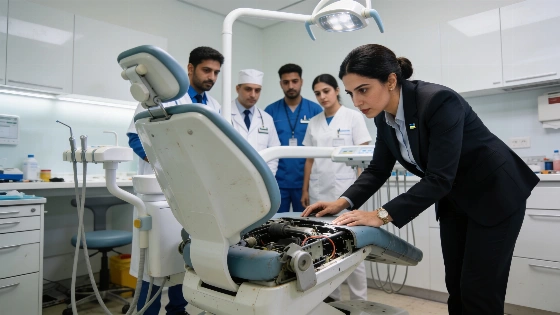
Dr. El-Alfi visited the site with Dr. Samir El-Demiry, Head of Primary Care and Family Development, and an oversight team. They checked how the model medical zone project is working. Some health units have made real progress. Services are more regular, clinics are cleaner, and patient flow has improved. But the team also found ongoing technical problems and not enough trained staff. These issues could undo the gains. Emirates News Agency (WAM) reports that similar inspections have helped raise care standards across the UAE's public health sector.
Equipment failures and staff shortages demand urgent fixes
The team found several problems: dental chairs that don't work, a broken centrifuge, and a faulty X-ray processor. These breakdowns, along with unfinished maintenance and slow digital upgrades, are holding back service improvements. Even more worrying is the lack of trained family counselling staff and no doctor qualified to lead the main advisory program. The UAE Ministry of Health and Prevention has stressed the need for ongoing staff training and digital upgrades to keep healthcare strong. Badr's new plan now follows this approach.
Despite these problems, the team saw that key services are still running. Family development, antenatal care, chronic disease management, pediatric and dental care, and ultrasound checks are available 12 hours a day. Supervisors now visit regularly. Patient satisfaction is tracked with five surveys each day. Waiting times are usually between 10 and 15 minutes. A new family advisory room and infection control steps have made operations stronger. These numbers match best practices from the Dubai Health Authority and follow standards in recent UAE healthcare sector growth reports.
Vice Minister orders rapid training and data overhaul
To fix the gaps, Dr. El-Alfi has ordered fast training for family counsellors and quick hiring to fill advisory jobs. She wants every woman aged 15 to 49 who asks for advice to be registered and followed up. She also wants better communication with patients, regular checks on complaints, and ongoing tracking of satisfaction to keep patient flow smooth and wait times short. There is a special focus on pregnant women, especially those with anaemia. Clinics must give at least 30mg of iron supplements as standard.
Data systems are under review. The plan is to make specialist clinic services public and use new tools to track performance. The Vice Minister also told teams to step up health education outside the clinic, aiming to build a culture of prevention and awareness in the wider community. This fits with the UAE's digital health push, as shown in Dubai Health Authority initiatives and backed by rules from groups like the Dubai Financial Services Authority (DFSA).
These steps reflect the kind of leadership seen in recent coverage of public service innovation. They show how hands-on oversight and quick action are needed to solve real problems.
Badr Medical Zone now faces a tough job to close its biggest service gaps. The Vice Minister's direct orders make it clear: real progress depends on more than just new buildings and tech. It takes constant attention to what's happening on the ground. For Dubai's healthcare sector, this sets a clear standard for accountability and steady improvement. Other clinics will need to follow this example if they want to deliver on the promise of joined-up, patient-focused care. The Dubai Media Office has often said that this kind of active management is key to keeping Dubai's reputation for top-quality healthcare.