Fresh unrest in the Middle East has put the region's volatility back in focus. On the eve of Yom Kippur, incidents reported by Reuters raised alarms, though their links remain unconfirmed. At the same time, Gaza's humanitarian crisis is getting worse. A war-damaged building collapsed, killing 20 civilians, according to Reuters' Middle East desk. These events show how urgent stability and strong humanitarian support have become. The UAE has kept up its foreign aid and rebuilding work, a role often noted by Emirates News Agency (WAM).
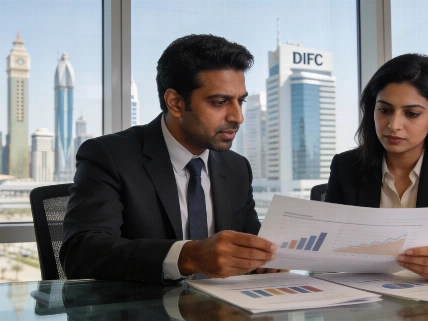
Economic pressure is building as well. Sanctions and changes in global monetary policy are reshaping the financial landscape. The U.S. Treasury's Financial Crimes Enforcement Network recently brought together international banks for "Operation Economic Outcast." The goal is to further isolate Tehran and cut off funding to conflict zones. Reuters reports that this push is already affecting Gulf financial centers like Dubai International Financial Centre (DIFC) and Abu Dhabi Global Market (ADGM). Both have tightened compliance, following Central Bank of the UAE (CBUAE) rules. Regulators such as the Dubai Financial Services Authority (DFSA) and the Virtual Assets Regulatory Authority (VARA) are updating their frameworks to keep up with global standards.
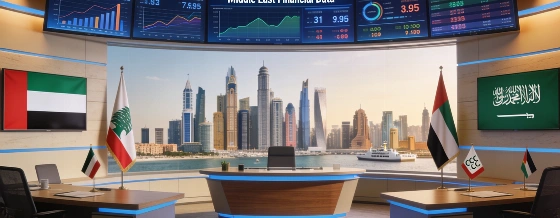
The Federal Reserve's latest rate hike, raising its benchmark to 3.75%-4.00%, has made borrowing more expensive and pushed up inflation worldwide. Reuters financial analysis says these changes are forcing GCC policymakers to rethink their monetary approach. The CBUAE is watching liquidity and capital flows closely to protect the dirham's peg and keep the economy steady. The Dubai Economic Agenda D33 and UAE Vision 2031 still focus on diversification and innovation. The Ministry of Economy reports that non-oil sectors and foreign investment are growing, even as global conditions remain tough.
Diplomatic and trade ties are under pressure too. U.S. sanctions on Russian oil have caused friction with big buyers like India. Reuters notes that India has warned Washington that new tariffs could hurt their relationship. UAE trade officials are watching this closely, since the Emirates is a key global re-export hub. The Dubai Media Office has stressed the need to keep trade routes open and use the UAE's advanced logistics to soften outside shocks and keep supply chains moving.
Military tensions are rising as well. Iran's Central Military Command claims the U.S. is preparing new action. The UAE is sticking to diplomacy and economic resilience. The Abu Dhabi Media Office says the country is focused on stability, improving the investment climate, and modernizing regulations. These steps are meant to keep the UAE at the forefront of the Gulf's changing economic scene.