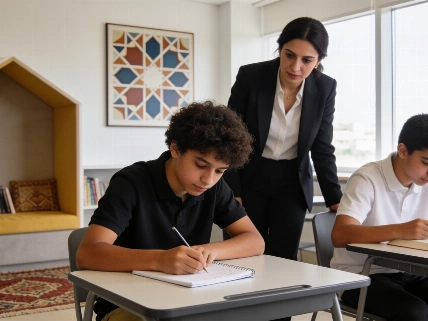
Moza Abdullah Ahmed, a Grade 12 student at the American School of Creative Science in Nad Al Sheba, now leads Dubai's first Students Council. She has been picked as the UAE's representative for the first group of the Global Youth Council Fellowship. This puts a Dubai student at the heart of a new international platform for young leaders. The Knowledge and Human Development Authority (KHDA) has publicly recognized her achievement. Her selection fits into Dubai's Education 33 (E33) strategy, which aims to make the city a global education hub.
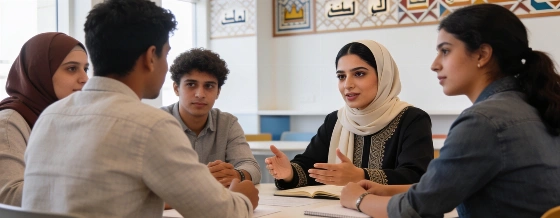
KHDA announced Moza's selection on its official channels. They pointed to her leadership in the "City of Students" initiative. The Dubai Students Council, which she chairs, was formed from nominations across 90 private schools. In the end, 16 students were chosen, representing six different curricula and nine nationalities. The council acts as an official channel for student feedback, feeding ideas into education policy. This matches Dubai's push for economic diversification and building up human capital, as set out in the Dubai Economic Agenda D33.
Moza's work goes beyond the council. She was part of the HydroGuard team, which won the Injaz UAE programme by creating an AI-powered system to spot drowning incidents early using computer vision. These kinds of projects show the UAE's focus on innovation and STEM skills for young people. That priority has been clear in recent Emirates News Agency (WAM) coverage of education reforms.
The Global Youth Council Fellowship, run by T4 Education, is a year-long programme for 16- to 18-year-olds. It mixes online learning, live global sessions, small group talks, team projects, and a three-day in-person summit. The goal is to build leadership, communication, and cross-cultural skills. This lines up with the UAE's Vision 2031 and the federal government's focus on preparing youth for the knowledge economy. According to Khaleej Times reporting, Moza's appointment was confirmed as of September 2026. This shows how Dubai's student leaders are gaining international recognition.
As part of the founding group, Moza will help set the direction of the fellowship. She will share ideas and experiences with students from around the world. This follows a pattern of Dubai youth being chosen for international innovation and leadership programmes, as reported by Reuters in the context of UAE education reforms and global outreach.
Moza's achievement shows how Dubai's students can now compete and work with others on a global stage. They are not just representing their city and country, but also helping shape international youth projects. KHDA's public support for Moza's new role makes clear its commitment to student leadership and innovation outside the classroom. As Dubai's education sector keeps investing in student-led projects and international links, the city's young leaders are now in a position to influence global talks on education, technology, and community development. This fits with the UAE's long-term vision for growth and international partnership.