Rush hour in Dubai used to mean reacting to gridlock as it happened. Now, the Roads and Transport Authority (RTA) wants to see trouble coming before it starts. The agency is rolling out artificial intelligence and predictive analytics to spot congestion early and keep the city moving during busy hours, big events, and emergencies. This push fits with the Dubai Economic Agenda D33, which puts smart infrastructure and digital upgrades at the center of the emirate's growth plans, as shown in recent Emirates News Agency (WAM) coverage.
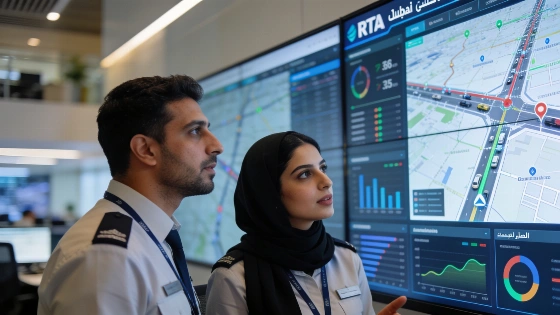
The RTA's Transport Data Analysis Lab sits inside the Unified Control Centre. It opened at the end of last year. Since then, the lab has pulled in real-time and old data from more than 35 sources. That covers roads, public transport, weather, and field operations. The system can now forecast demand, spot likely choke points, and run simulations for everything from New Year's Eve crowds to sudden storms. The Dubai Media Office says this is part of a citywide effort to use data for stronger, faster urban services.
AI scenario tests and digital twins
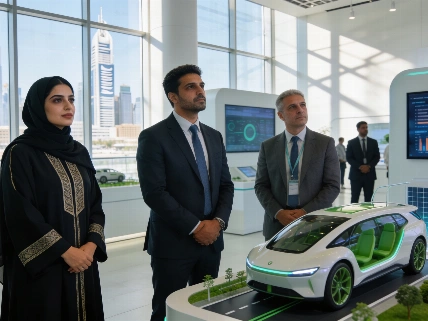
The lab does more than just watch traffic. It runs scenario tests before anything changes on the ground. With tools like "Data Drive" and "PTV Optima", RTA teams model traffic, try out new rules, and use digital twins to build a virtual copy of Dubai's transport network. Teams can see what might happen if they tweak a policy or respond to an emergency. They don't have to wait for real-world chaos. Dubai Municipality has also built its own digital twins, with over 195,000 buildings mapped in 3D and plugged into the city's NOC platform for infrastructure planning, as reported by Gulf Daily News.
Since launch, the lab has automated and reviewed over 150 performance indicators. It has produced more than 50 analytical reports and built 11 use cases. Teams now use interactive dashboards to track jams, journey times, and other key numbers, all tied to specific times and places. The lab's data ecosystem has grown fast. Eight new data sources have been added, making data cleaner and easier to use. The maturity score jumped from 2.2 to 3.84-a 74% boost. These numbers have not yet been checked by outside agencies like Reuters or Bloomberg.
From event analysis to proactive control
The lab has already faced real tests. For "GITEX 2025", the team used "Data Drive" to study traffic before and during the event. They found trouble spots and set up fixes to keep cars moving. The same approach helped with New Year's Eve, the return to school for over 270 campuses, and Ramadan travel. The lab also looked at how flexible "Salik" tolls affect traffic and helped plan for weather hits like the "Al Azm" low-pressure system.
This predictive approach lets the RTA act before problems get out of hand. By linking live and past data from roads, buses, metro, trams, taxis, marine transport, and weather, the lab helps teams respond faster and work together. It also flags accident-prone spots for safety upgrades. This fits with Dubai's bigger plan to unify data, as seen in reported earlier efforts to centralize public asset data.
What's next for Dubai's smart mobility
The RTA wants to take the lab further. Plans include adding more data sources, building new use cases, and tying predictive analytics even closer to daily operations. The next step is to turn the lab from a diagnostic tool into a fully predictive platform. That means stronger AI, sharper scenario modeling for big events, and more digital twins to test changes before they hit the streets. According to TravelDailyMedia, pilot tests of AI-powered traffic signals have already cut journey times by 10-20% at some intersections. The RTA aims to expand this to about 300 junctions by Q3 2026, but full independent confirmation is still pending.
Dubai is moving away from old-school traffic control. The RTA's bet on AI and predictive analytics is about more than just smoother drives. It's about building a city that can react in real time to anything-a festival, a storm, or the daily rush. That's a new standard for urban mobility in the region. It also backs the UAE's national vision for smart, sustainable cities, as covered in The National's reporting on autonomous transport targets.