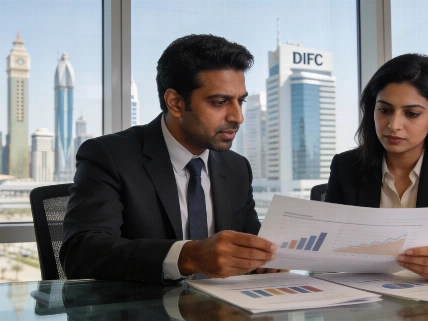
Legal trouble has landed at the doors of "إيه آي إكس للاستثمار", the investment group with offices in Burj Khalifa. Investors are now chasing millions in overdue payments. The group faces lawsuits in the Dubai International Financial Centre (DIFC) courts. Two investors alone are seeking $10 million for missed or delayed payouts. The Financial Times reported this on 27 September 2026. The dispute has drawn international eyes and rattled Dubai's investment scene.
The group pushed products that promised up to 16% annual returns. That pitch drew in thousands. According to Emirates News Agency (WAM), Dubai's financial sector has seen a jump in cross-border investment. The city wants to be a global wealth hub. But this case has exposed cracks in oversight for high-yield products. Investors say payments slowed, then stopped. Some waited months with no answers.
Regulatory scrutiny and investor frustration
Officials have visited the group's offices. No official findings have been released. The company told clients about payment delays. It blamed global market swings and geopolitics. In a statement on 26 September 2026, AIX said only its AIX Property Secure product under AIX International Properties was affected. The rest, it claimed, were fine. That did little to calm nerves. Thousands of investors-including Dubai residents, pilots, and business owners-still have money stuck.
One investor called the payments "delayed, irregular, and lacking transparency". The company blames compliance and liquidity problems. Investments ranged from $10,000 to several million dollars. The total at risk is still unknown. The group has hired legal and financial advisers to restructure the troubled investments. It promised an update by 12 October. No payout schedule has been set. According to FT reporting, payment problems started about nine months before the lawsuits. That was when digital-asset prices dropped and markets turned rough.
Complex structures and regulatory gaps
The group's products crossed borders. They used companies in the UAE, Ireland, Cayman Islands, Switzerland, and the UK. Some were issued by offshore firms outside UAE regulation. That left investors exposed. The Cayman Islands Monetary Authority warned that "إيه آي إكس سيكيور" is unlicensed and not under its watch. It told the public to be careful. The Dubai Financial Services Authority (DFSA) has reminded investors to do their homework on cross-border products. Its latest regulatory updates stress this point.
It gets more tangled. One UAE-licensed entity can only give investment advice and refer clients. Other products run through unregulated foreign companies. The group paid a fine to a Qatari regulator in 2024 for misleading claims on its website. The Central Bank of the UAE (CBUAE) says it is committed to financial stability and investor protection. This lines up with the Dubai Economic Agenda D33 and UAE Vision 2031. Both plans call for open and strong capital markets.
Marketing, sponsorships, and the Burj Khalifa address
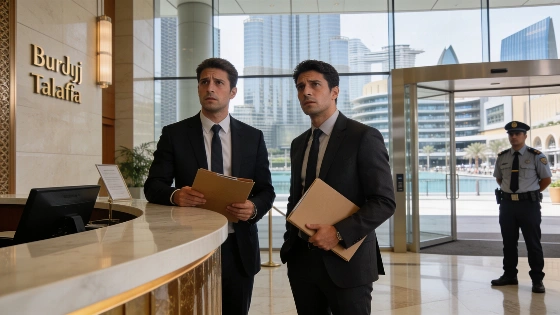
The group kept a flashy profile in Dubai. It occupied three floors in Burj Khalifa, including the 144th. Sports sponsorships boosted its image. Its ads promised bond-like products with 12% to 16% annual returns. Real estate investments were pitched at a fixed 14.4% yield. Crypto-linked products were also on offer. The group sponsored a Formula 1 driver and held assets in a racing team. Some of those assets were sold in September. According to a Bloomberg analysis, this kind of high-profile marketing is now common among Dubai's financial firms chasing global money.
Dubai's financial authorities have not commented. The UAE's Securities and Commodities Authority says it stands by investor protection and market integrity. The crisis has reopened debate about Dubai's regulatory gaps. The city wants to be a global wealth hub. The memory of the 2018 "أبراج" collapse still lingers. Investors and regulators do not want a repeat. The Dubai Media Office points to ongoing reforms for better oversight and transparency. These changes aim to match international standards.
Dubai keeps drawing international wealth managers. A recent report shows this trend. But the current crisis shows why strong oversight of complex, cross-border investments is urgent. Dubai's reputation as a safe place for global capital depends on clear rules and quick action when investors are at risk. Until the group pays up or authorities step in, trust in Dubai's high-yield investment sector will stay shaky.