
Dubai is no longer just a stopover for British business founders. It is quickly turning into the main launchpad for expansion into the Gulf, Middle East, and Africa. The numbers back this up. UK-UAE trade in goods and services reached £25 billion in 2025. British exports to the Emirates hit £15.7 billion, according to UK government data. Over 5,000 British companies now operate in the UAE. This shows a clear shift in where UK entrepreneurs see their next big move. The Emirates News Agency (WAM) often points to this strong relationship, which helps make Dubai a top choice for international business.
Dubai stands out for more than just its connections. The way founders set up their companies matters. They have to choose between mainland and free zone structures. Mainland companies, licensed by the Dubai Department of Economy and Tourism, now allow 100% foreign ownership in many sectors. This change came after the 2020 company law reforms, as confirmed by recent legal guidance. But some sectors-like banking, finance, insurance, telecom, and defence-still have their own restrictions under UAE federal rules. Dubai also has over 20 free zones, each focused on certain industries. These offer full foreign ownership and simpler rules. The choice is not just about speed or cost. It depends on the company's real business, its clients, and how it makes money. Changing the setup later can mean extra costs and paperwork. Founders need to get it right from the start.
For those who want to move fast, Meydan Free Zone's digital-first system stands out. Its 'Instant' licence can be ready in under 60 minutes for those who qualify. Prices start at AED 15,000 and cover more than 1,800 business activities. The Fawri instant licence, according to the latest Meydan Free Zone guidance, is still available as of September 2026. Standard applications are processed within one business day. But speed should not come at the cost of accuracy. The chosen activities must match what the company actually does. Meydan also has a wider licensing path for more complex businesses, covering over 2,500 activities. The Dubai Media Office notes that these digital licensing steps are part of a bigger push to make it easier to do business and attract founders from around the world.
Tax is another key point. The UAE has no personal income tax. Corporate tax is 0% for taxable income up to AED 375,000, and 9% above that. Free zone companies may get a 0% rate on eligible income, but non-qualifying income is taxed at 9%. VAT registration is required once annual taxable supplies and imports go over AED 375,000. Voluntary registration is possible from AED 187,500. British founders also need to check their UK tax duties before moving or starting a new company in Dubai, especially if they keep assets or business in Britain. The Central Bank of the UAE (CBUAE) and the UAE Ministry of Finance regularly update their guidance on these tax rules to keep things clear for international investors.
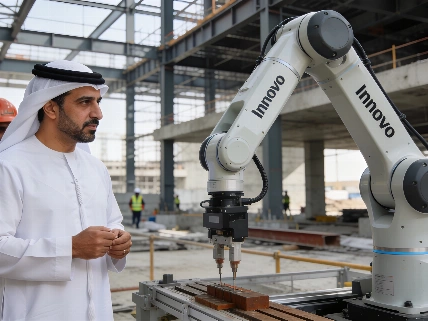
The focus on sectors is sharp. The UK government points to financial services, fintech, clean energy, advanced manufacturing, and life sciences as the best bets for British companies in the UAE. Dubai's clean energy plans open doors for firms in hydrogen, solar, and sustainability. Life sciences see demand for medical services, health tech, and pharmaceutical manufacturing. Advanced manufacturing is tied to automation and supply chain tech. These are not just ideas. Dubai's regional role is already pulling in British firms who want to serve clients across the Gulf and beyond, as reported by The National and other top media outlets.
For founders, Dubai's value is in being a regional base, not just a local market. The city lets companies build the systems they need to serve clients in the UAE, the Gulf, and the Middle East. This is backed by strong UK-UAE trade and Dubai's role as a gateway to the region. The trend is clear. As reported earlier, more British firms are moving headquarters and key operations to Dubai to make the most of these advantages.
Dubai's rise as a magnet for British founders is no accident. It comes from targeted regulatory changes, sector incentives, and a clear sense of what international entrepreneurs need to grow. The mix of full foreign ownership, digital company setup, low tax rates, and sector-focused free zones is hard to match in the region. For UK founders looking for their next step, Dubai is not just another option. It is the strategic answer for those who want real regional growth.