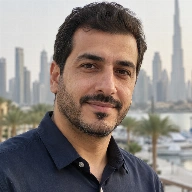
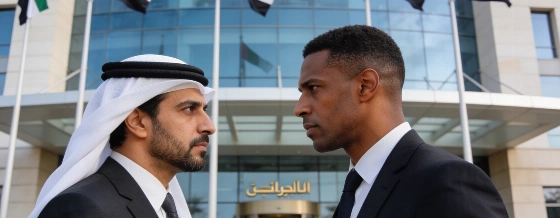
Allegations of UAE interference in the extradition of Algerian businessman Ayoub Aissiou have escalated diplomatic friction between Algeria and the UAE, raising questions about cross-border influence and the future of bilateral relations.
Algeria's diplomatic patience with the UAE is wearing thin after reports surfaced that Abu Dhabi has actively intervened to block the extradition of fugitive businessman Ayoub Aissiou, a figure at the centre of one of Algeria's most high-profile corruption cases. The move, described by Algerian sources as a direct provocation, threatens to push already strained relations to the brink of rupture.
According to a detailed investigation by "كل شيء عن الجزائر", the UAE allegedly deployed influential businessman Nasser bin Taloub to Spain, where Aissiou was detained, to exert pressure on Spanish authorities and prevent his handover to Algerian justice. Aissiou, who amassed a vast fortune in real estate and media during the final years of Abdelaziz Bouteflika's presidency, is wanted under an international arrest warrant and faces a 20-year prison sentence for financial crimes including money laundering, forgery, and illicit capital transfers.
UAE's Alleged Role and Algerian Backlash
The report claims that the UAE's intervention is not an isolated incident but part of a broader pattern of antagonistic activity targeting Algeria's interests. Algerian officials have repeatedly accused the UAE of meddling in domestic affairs, including attempts to influence the 2019 presidential election and destabilise the region through alliances and covert operations in neighbouring African states. The latest episode, involving direct lobbying to shield Aissiou from extradition, has been labelled by Algerian sources as an "act of hostility" that will not go unanswered.
Warnings from within Algeria suggest that any confirmed UAE involvement in obstructing justice for Aissiou could serve as a catalyst for a formal diplomatic break. The language from official and media channels has grown increasingly severe, with state television branding the UAE as a "manufactured state" and accusing it of sowing discord and undermining Algeria's national identity.
International Networks and Political Fallout
The Aissiou affair has also exposed a web of international connections. In August, a group of French public figures-many with ties to the far right and pro-Israeli circles-launched a petition urging France and Spain to refuse Aissiou's extradition. The signatories included prominent names such as Imam Shalgoumi, Boualem Sansal, Pascal Bruckner, and former French foreign minister Bernard Kouchner. Algerian media have interpreted this as evidence of Aissiou's links to powerful networks in Morocco, Israel, and Europe, all working to influence the Spanish judiciary and secure his release.
Aissiou's arrest in Spain in July, following his arrival from Morocco, briefly raised hopes in Algiers that he would finally face justice. However, his subsequent release and the mounting international pressure have only deepened suspicions about the extent of foreign interference in Algeria's legal and political processes.
Corruption Charges and the Collapse of an Empire
Once a symbol of Algeria's business elite, Ayoub Aissiou built a sprawling empire in real estate, agriculture, industry, and media, including the founding of "الجزائرية وان" television channel. His fortunes reversed after the 2019 popular uprising, which triggered sweeping anti-corruption investigations targeting figures close to the Bouteflika regime. Fleeing to France in April 2019, Aissiou sought asylum while Algerian courts pursued him for a litany of financial crimes. In December 2025, he was sentenced in absentia to 20 years in prison, a verdict upheld in March 2026.
The case has become a flashpoint for Algeria's efforts to reclaim assets and hold former regime insiders accountable. The government's frustration is compounded by what it sees as systematic obstruction from foreign actors, with the UAE now at the centre of the storm.
For Dubai and the wider UAE, the fallout from the Aissiou affair is more than a diplomatic headache-it is a test of credibility in international cooperation and respect for judicial processes. Algeria's readiness to escalate the dispute signals that the era of quiet back-channel influence may be ending. If Abu Dhabi continues to shield controversial figures from accountability, it risks not only a diplomatic rupture with Algeria but also reputational damage in the eyes of partners who expect transparent, rules-based engagement. The message from Algiers is unmistakable: interference will be met with consequences, and the cost of political gamesmanship is rising fast.