The United Arab Emirates is stepping up efforts to protect its trade and energy exports as instability grows in the Gulf and Red Sea. Presidential adviser Anwar Gargash recently said the UAE is focused on keeping its energy exports and economic activity secure, describing a policy of resilience and active risk management. Reuters reported on these moves and the country's broader strategy.
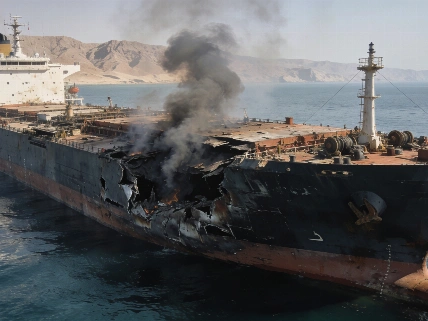
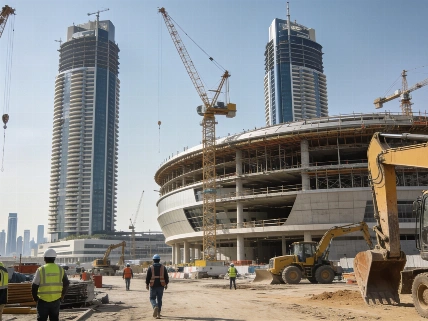
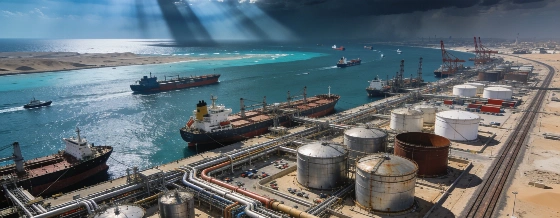
After a series of maritime incidents-including the death of a seafarer on the Hercules Star tanker near Dubai on 9 September 2026-UAE officials have moved quickly to develop alternative export routes. The country is expanding port facilities on its eastern coast and building new pipelines, railways, and trade corridors. These projects aim to reduce reliance on the Strait of Hormuz and other vulnerable shipping lanes. The Dubai Media Office and Emirates News Agency (WAM) have both pointed to these infrastructure upgrades as key to the Dubai Economic Agenda D33 and the UAE's long-term growth plans.
Regional tensions have increased in recent weeks, with US and Iranian forces exchanging strikes on vessels and oil infrastructure near Iran. Outlets like Reuters and Bloomberg have reported on these events, which have added to volatility in global energy markets and highlighted the urgency of the UAE's diversification efforts. The Central Bank of the UAE is monitoring liquidity and capital flows to keep the financial sector stable during these shocks.
The situation has become more complex with Yemeni Houthi forces moving toward Perim Island at the Bab-el-Mandeb Strait on 11 September 2026, raising new risks for shipping through this critical passage. The UAE's response includes not just physical infrastructure but also regulatory changes. The Dubai Financial Services Authority and Abu Dhabi Global Market have issued updated guidance to help maintain trade and support investor confidence.
For official economic and demographic data, the Dubai Statistical Center remains the main source for statistics on the emirate. More details on Dubai's statistical governance are available on the Dubai Statistical Center portal.