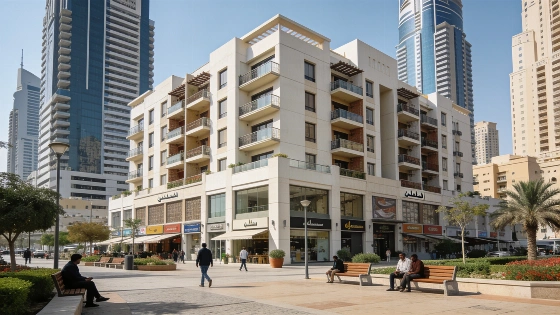
Dubai's economy carries the clear mark of Sheikh Ahmed bin Rashid Al Maktoum. When he died on 21 September 2026, the city declared 10 days of mourning and lowered flags across the emirate, as reported by The National. His impact runs deeper than the skyline. It shaped how Dubai's economy and society work, leaving a legacy that cuts across many fields.
People often link his name to sports and horses, but his real mark was his broad economic vision. As head of A.R.M. Holding and founder of Dubai Real Estate Centre in 1991, Sheikh Ahmed pushed Dubai away from old-style asset management. He built a model that mixed real estate, hospitality, finance, technology, and city services. This set the stage for Dubai to become a place where property development goes hand in hand with building communities and growing the economy. His approach matched the goals of the Dubai Economic Agenda D33 and the UAE Vision 2031.
From asset management to diversified investment
Sheikh Ahmed never saw economic growth as just collecting property. Under his lead, A.R.M. Holding moved into banking, telecom, health tech, sustainable food, mobility, fintech, and culture. Dubai Real Estate Centre started as a property portfolio but grew into a platform for both homes and businesses, meeting the city's need for spaces where people can live and work together. ARN News Centre noted the wide recognition of his role in shaping Dubai's modern investment scene after his death.
This shift mirrored a bigger change in how Dubai thinks about investment. The focus moved from holding assets to building portfolios that mix old sectors with the needs of a service-driven economy. The result is a property market that brings not just profits, but also energy and better living standards. The Central Bank of the UAE (CBUAE) has often pointed out how these diverse investment strategies help keep Dubai's economy strong.
Private capital as a partner in city development
Sheikh Ahmed showed how private capital in Dubai could do more than chase returns. His projects tied real estate to hospitality, education, culture, and technology, aiming to build real communities instead of just isolated buildings. A.R.M. Holding's work looked beyond property value, backing schools, cultural programs, and public spaces to make a social impact.
This way of working fits with a global move toward cities that value sustainability, talent, and quality of life. The group's focus on lasting economic and social value shows this shift, where investment is judged not just by money but by how it helps the city stay strong over time. Dubai's regulators, including the Dubai Financial Services Authority (DFSA), have backed these joined-up approaches with rules that support new ideas and steady growth.
Institution building and lasting impact
The institutions and assets tied to Sheikh Ahmed are now part of Dubai's core. Since the early 1990s, his property projects helped the city grow, while his investment platforms let Dubai connect old and new sectors. The places and communities built under his watch are now part of Dubai's identity, driving both business and social ties. Emirates News Agency (WAM) reports that Dubai's leaders still stress the need for this kind of institution building to reach the city's long-term goals.
For Sheikh Ahmed, investment always came with a duty to the community. By backing education, the arts, and public spaces, he pushed a vision where financial growth and social progress go together. This thinking shows in how his projects draw in residents and businesses, improve daily life, and keep cultural roots alive.
Leadership remembered for humility and vision
Business leaders in Dubai have spoken about Sheikh Ahmed's style. They remember his belief in giving people responsibility and his quiet but firm influence. Ahmed bin Shafar, CEO of Emirates Central Cooling Systems Corporation, called him a leader whose words mattered and who trusted those who worked honestly. People close to him say he led with humility, a sense of duty, and a focus on loyalty and honest work.
Sheikh Ahmed bin Rashid Al Maktoum's death leaves Dubai without one of its main builders of economic change. But the institutions, communities, and investment platforms he set up still shape the city's path. His legacy is not about a single deal or asset. It is about a steady drive to build a city where private money, social duty, and urban growth are all linked. For Dubai's future, this joined-up approach sets the standard for real progress.