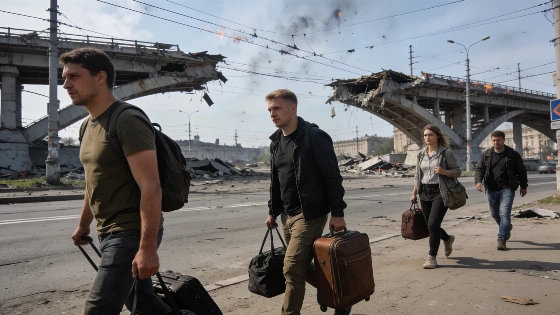
Russian officials have stepped up their warnings to foreigners in Kyiv. The message is blunt: leave now. The Russian Ministry of Foreign Affairs put out a direct statement on Saturday. It said anyone who ignores this alert will bear the consequences. This is not the first time Russia has told foreign missions and expatriates to get out. RTE News and Arab News both confirmed earlier advisories.
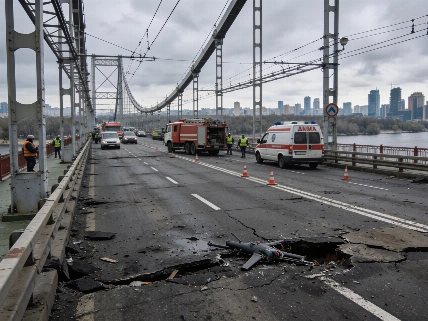
Kyiv has taken heavy hits in recent weeks. Russian strikes have zeroed in on bridges and other key infrastructure. The city's mayor, Vitali Klitschko, called the situation extremely severe. Energy and transport networks are under strain. AFP reported drone raids and destroyed bridges. Nearly 3 million people in Kyiv now face major transport problems. Power facilities have been hit again and again. Winter is coming. The city's ability to cope is in doubt.
Russian warnings and military actions
The Russian Foreign Ministry repeated its demand: diplomats and foreign nationals should leave Kyiv at once. The ministry said anyone who stays is responsible for what happens next. Russian forces will keep launching what they call "large scale retaliatory strikes" on military targets in Kyiv and other cities. Moscow blames these attacks on what it calls "terrorist activities" by Ukraine. That is Russia's official line. Reuters and TRT World both note this claim has not been independently verified.
Ukrainian officials are bracing for more attacks on the power grid. They remember the blackouts from Russian strikes in 2025. The threat of new outages and heating failures hangs over the city. People are worried. Humanitarian pressure is rising. Western embassies have not confirmed any mass evacuation from Kyiv as of early October. Still, plans to move diplomatic staff to Lviv or eastern Poland have been discussed. RBC-Ukraine, citing The Guardian, reported on these contingency talks.
Ukrainian response and cross border attacks
Ukraine has not stood by. Its forces have hit Russian oil refineries and storage sites. These attacks helped trigger a fuel crisis in Russia over the summer. Ukrainian strikes have also damaged warehouses, ships, and other infrastructure. The war is not limited to the front lines. Both sides are now targeting infrastructure deep inside each other's territory. Diplomatic talks are stalled. The pattern of strikes and warnings is familiar. The National drew a parallel with Iran's recent proposals for the Strait of Hormuz.
The fighting is getting worse. Russia says foreigners in Kyiv are on their own. The warning is not just words. It signals Moscow is ready to ramp up military pressure, even with diplomats and foreign residents still in the city. The message is clear. The window to leave is closing. Staying could be dangerous. The Kremlin is not backing down. The conflict is not easing up.
Regional observers, including the Emirates News Agency (WAM), have pointed to the wider economic fallout. Global energy markets and supply chains are feeling the strain. The UAE's Central Bank (CBUAE) is watching the situation closely. Trade corridors and foreign investment flows are under review, in line with the Dubai Economic Agenda D33 and UAE Vision 2031. The Dubai Media Office has urged UAE-based companies with business in Eastern Europe to step up risk management. The stakes are high.