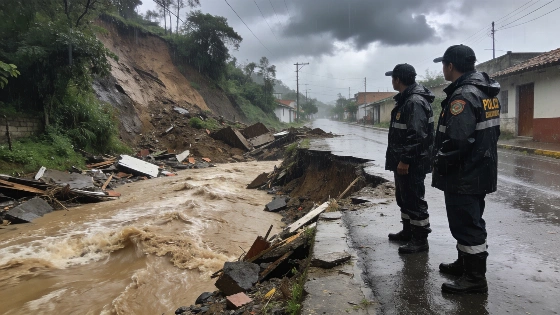
Rain hammered Jalisco before the hurricane even reached land. Two people died. Three are missing. Local officials blamed the landslides and flooding for the deaths. Search teams are still looking for those unaccounted for. The Emirates News Agency (WAM) pointed out that disasters like this can disrupt global travel and supply chains, including routes between the UAE and Latin America.
The US National Hurricane Center (NHC) called the storm a category four hurricane. Winds hit 205 kilometres per hour. By Sunday, the hurricane sat about 450 kilometres southwest of Cabo San Lucas. That's a major tourist spot. The storm was on track to hit Baja California Sur by Monday night. NHC bulletins kept hurricane warnings in place for the western coast of Baja California Sur from Punta Abreojos to Santa Fe, and the eastern coast from Loreto to Bahia San Juan Bautista. Parts of mainland Mexico from Bahia Kino to Huatabampito were also under warning. These alerts were updated early on 28 September. The threat stayed high for both the peninsula and the mainland, according to the official NHC advisory.
Severe weather brings casualties and missing persons
Jalisco's civil protection teams said the heavy rain and landslides caused the deaths and disappearances. The situation is still dangerous. Emergency crews are searching for the missing and watching risky areas for more trouble. Reuters said hurricane conditions could hit as early as Monday afternoon between Punta Eugenia and Santa Fe. Storm surge, more rain, and damage are likely across the peninsula. Jalisco already saw the first casualties.
People in the storm's path have been told to stay inside and follow civil protection orders. The hurricane is expected to make landfall near Mulegé. Flash floods and more hazards are likely across the peninsula. The National Hurricane Center said everyone should be ready for evacuation, flooding, and rough seas. Warnings are still active for Baja California Sur and nearby regions.
Unusual hurricane season intensifies risks
This isn't the only storm. Meteorologists say a strong El Niño is driving an unusually busy Pacific hurricane season. Nine hurricanes have formed so far. Three reached category five. The Atlantic hasn't seen a single hurricane this season. The Dubai Media Office has stressed the need for climate resilience and adaptation. This fits with the UAE Vision 2031 and the Dubai Economic Agenda D33, which focus on strong infrastructure and risk management at home and abroad.
Another hurricane recently flooded parts of Hawaii. A new tropical storm, Rachel, has formed off Mexico's southern Pacific coast. It could become a hurricane by Wednesday. The official hurricane season for the eastern Pacific and Atlantic runs until 30 November. More storms could come. Bloomberg reported that more frequent severe weather is pushing governments and financial regulators, including the Central Bank of the UAE (CBUAE), to review disaster risk plans and insurance sector strength.
Dubai residents planning trips to Mexico or the Pacific need to be extra careful. The run of severe storms and wild weather means travelers should stay updated and keep plans flexible. This hurricane season keeps breaking the pattern. One thing is clear. Staying alert and prepared is the best defence against nature's extremes.