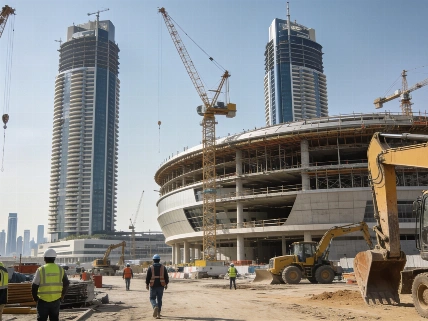
Dubai's property market is set for major change as the city prepares to add between 200,000 and 300,000 new homes by 2028. This surge is reshaping how buildings are managed and maintained, with long-term operations now a central concern for developers and owners. Cushman & Wakefield Core reports that nearly 525,000 homes could be delivered in Dubai by 2030, highlighting the scale of what's ahead and the growing need for effective facility management.
Fadi Nwilati, CEO of Kaizen, points out that facility management has moved from a background role to a key part of real estate strategy over the past two decades. Developers may build the asset, but it's ongoing management that protects its value-up to 80 percent of a building's lifetime cost comes after construction is finished. The focus has shifted from just building to how these properties are run, in line with the Dubai Economic Agenda D33, which emphasizes sustainable growth and operational quality.
Many projects launched between 2021 and 2023 will be handed over in 2026 and 2027, entering a phase of management that could last more than fifty years. In Business Bay, for example, 27 buildings with about 13,500 residential units are scheduled for completion in that period. This means facility management is set for steadier, longer-term growth than the more cyclical property development sector, as noted by Emirates News Agency (WAM) in its coverage of Dubai's expansion.
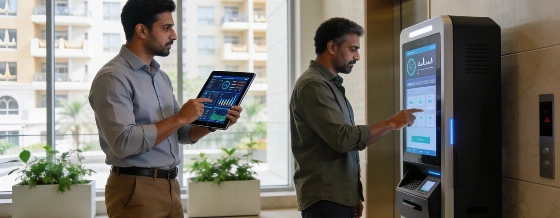
Technology is now central to this shift. Since 2018, Kaizen has built a digital system for its operations, going paperless by 2019. The company manages over a million data points, using sensors to track air quality, dashboards for energy use, and digital platforms for everything from maintenance requests to financial reports. Residents and owners can handle maintenance, account statements, move-ins, and no-objection certificates online, including through WhatsApp. This approach matches the UAE government's Smart Dubai initiative, which aims to set a global standard for digital city living.
Kaizen's efforts have led to real savings and environmental benefits. The company has saved more than 9.4 million kilowatt-hours of energy, recycled over 2.2 million kilograms of waste across 145 properties, and preserved more than 400,000 trees through smart water and irrigation systems. Its paperless operations alone are estimated to save nearly 588,000 trees each year. Solar-powered irrigation, electric vehicle charging, and smart waste management are now standard in its buildings. These steps matter as Dubai Healthcare City Authority recently began work on Dubai Creek Gardens, a AED 3 billion project with over 1,400 homes, aiming for completion by 2030, according to Yahoo Finance.
Across the UAE, the facility management market is expected to grow from $4.2 billion to $10.1 billion by 2032. Kaizen estimates that the market for asset and facility management in Dubai could nearly double by 2030, as the city's housing stock is set to pass one million units, with more than 400,000 new homes planned. The Dubai Land Department's database lists 798 active sales projects, showing the scale of development and the rising demand for professional management.
Kaizen currently manages more than 300 projects and 40,000 units, with a portfolio valued at over $16 billion and serving more than 100,000 people daily. The company focuses on long-term partnerships with developers and the wider real estate sector, and is also looking at selective international expansion to share Dubai's expertise in property and community management. The Dubai Media Office has highlighted the city's leadership in smart city solutions and sustainable infrastructure, supporting the sector's global ambitions.
This shift in operations is happening alongside other changes in the city, such as Dubai Municipality's expansion of public spaces and upgraded destinations, as reported earlier. The combination of large-scale property delivery, digital management, and sustainability efforts is setting a new standard for urban living in Dubai.
Facility management in Dubai is now central to protecting the value and livability of the city's real estate. As the market grows and technology becomes part of daily operations, long-term, data-driven management will be key. The next decade in Dubai will be shaped not only by new construction, but by how well these properties are run.