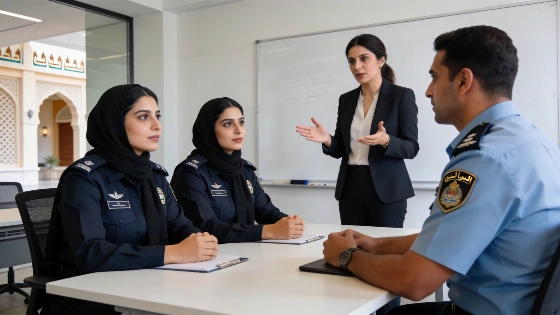
Inside the Dubai Police Officers Club, a group of 25 officers and allied professionals gathered for a training session that breaks from the old script. The focus: how to handle interviews with human trafficking victims in ways that actually help, not just tick boxes. This session drew frontline staff from across the force and partner agencies, all dealing with the fallout of trafficking cases. The move fits into the UAE's wider push for public safety and social welfare, a theme that keeps surfacing in recent Emirates News Agency coverage of national security efforts.
Standard police training rarely covers the emotional wreckage left by trafficking. This new course, built with the Dubai Foundation for Women and Children, puts the spotlight on what survivors actually face-psychological scars and social fallout. The National Committee to Combat Human Trafficking and the Dubai Judicial Institute helped shape the curriculum, according to statements from the Dubai Media Office. The result is a multi-agency approach that tries to match the complexity of the crime itself.
Dr. Ghanima Al Bahri, who heads Care and Rehabilitation at the Dubai Foundation for Women and Children, led the sessions. She walked participants through the legal definitions, the unique patterns of trafficking, and the rights that victims are supposed to have at every step. Dubai's model borrows from ongoing work with the United Nations Office on Drugs and Crime for the Gulf States, a sign that the city wants to keep pace with international standards.
Officers drilled on how to build trust in interviews, spot psychological cues, and adapt their approach to each survivor. The training stressed that dignity and cultural awareness are not optional. Each case demands its own assessment, and support has to be more than a formality if survivors are to move forward. The General Directorate of Identity and Foreigners Affairs-Dubai processed over 12 million entry permits in 2025. That volume brings a steady stream of migration, and with it, more chances for trafficking to slip through the cracks.
Lieutenant Colonel Dr. Hamid Al Bannai, Acting Director of the Human Trafficking Monitoring Centre, pointed out that this training is just one piece of a larger effort. Dubai Police are under pressure to keep their teams sharp and ready for new challenges. Partnerships with groups that know the terrain are now seen as essential. The Dubai Economic Agenda D33, which Bloomberg has tracked in its coverage of the city's reforms, puts a premium on innovation and building up public sector skills.
Dubai's law enforcement is starting to see that treating victims as individuals, not just files, is the only way to make a dent in trafficking. This shift lines up with other recent moves, like the expansion of tech-driven training for driving licence applicants.
Specialist training like this signals a clear change in direction. Dubai Police are betting that psychological insight and real collaboration will raise the bar for victim support in complex crimes. The city's approach now stands as a regional reference point for law enforcement agencies facing similar threats.