
Owners of older buildings in Dubai woke up to a new set of rules this spring. The era of open-ended safety certification has ended. Dubai Municipality's latest directive forces every property at least 20 years old to secure a "quality and safety certificate" within a set timeframe. The new Law No. (3) of 2026, published in March's official gazette, lays out a technical assessment and certification regime. The municipality's official site details the requirements and signals a shift toward tighter oversight.
Buildings between 20 and under 40 years old now get a 10-year certificate. Once a building turns 40, that window drops to 5 years. Owners must start the renewal process in the last 90 days before expiry. The law leaves no room for delay. Law No. (3) of 2026 on Building Quality and Safety in Dubai makes this a binding obligation. The logic is blunt: as buildings age, safety and reliability drop, so older properties face more frequent checks. The National and Emirates News Agency (WAM) have both confirmed these details in recent coverage.
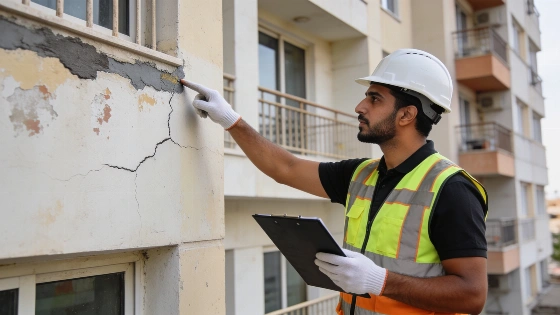
The process starts with Dubai Municipality sending phased notifications. Multi-storey buildings over 40 years old get priority, then the rollout expands to other properties. Each owner must hire a licensed engineering consultancy, classified by building height, to run the technical evaluation and manage the process through Dubai's online platform. The assessment covers structural integrity and façade cladding, plus doors, windows, safety barriers, and all shared electrical and mechanical systems. Compliance with Dubai Civil Defence and SIRA is mandatory. Lab testing may be required. If inspectors find defects, the consultant files a technical report with fixes and materials needed. The municipality reviews the report, issues permits for repairs, and only after a successful re-inspection does it grant the certificate. All repairs must be handled by licensed contractors under the consultant's direct supervision. HKA notes the certificate confirms both safety compliance and ongoing suitability for occupancy. Dubai Municipality can re-inspect after remediation at its discretion.
The new rules hit all building owners, owners' associations in jointly owned properties, engineering consultancies, and contractors across Dubai. If an owner controls several buildings, the municipality schedules inspections based on each property's age, structure, and location. Training for engineering offices on the digital certification system is underway, with access through the Dubai Building Platform. Stakeholders are directed to the official guidance manual on the municipality's website for full details. The regulatory tightening fits into the Dubai Economic Agenda D33, which pushes for sustainable urban growth and investor confidence, as recent WAM reports make clear.
This isn't the first time Dubai has tightened property sector rules. Recent shared housing regulations have already forced landlords and property managers to adjust compliance routines.
Dubai Municipality now ties certificate validity to building age and demands rigorous technical oversight. Property maintenance moves from optional to mandatory. Owners face a clear mandate: keep up with repairs and maintain transparent certification or risk penalties. HKA points to likely costs for repairs and possible short-term hits to rental income. The policy is also set to boost Dubai's appeal for foreign direct investment and supports the UAE's infrastructure goals.