Dubai's public spaces are seeing more visitors than ever, changing how both residents and tourists experience the city. Over the past year, Dubai Municipality has expanded its parks and beaches, and the results show in the numbers: Dubai Frame has welcomed 8.8 million people since it opened. These efforts fit into the city's larger economic plan, the Dubai Economic Agenda D33, which focuses on improving urban infrastructure and quality of life.
The biggest changes are happening at parks and beaches. The Quranic Park saw a 47 percent jump in visitors during the first half of 2026, and Mushrif National Park had a 20 percent increase, according to Khaleej Times. These aren't just statistics-they reflect a push to offer more than just famous buildings and skylines. Overall, public spaces managed by Dubai Municipality saw an 18 percent rise in visitors compared to last year.
New projects reshape Dubai's public spaces
The first phase of Al Mamzar Lagoon Beach opened in May 2026 and has already drawn over 1.75 million visitors. With this addition, Dubai Municipality now manages seven public beaches, and the upcoming Al Mamzar Corniche will soon make it eight, adding more places for recreation and sports. This expansion is part of a broader government effort to improve public amenities, as noted in a Dubai Media Office release during the Arabian Travel Market 2026.
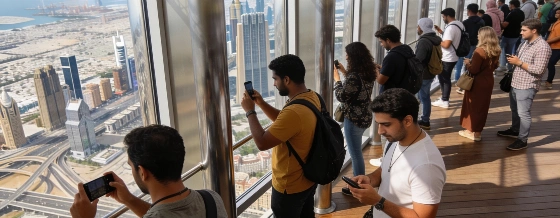
Dubai Frame remains a major attraction, offering views across the city and a look at Dubai's past, present, and future. Its steady popularity makes it a regular stop for both locals and tourists. Meanwhile, the city's parks are changing, adding adventure, sports, and nature activities to meet new expectations. The National reported that Dubai welcomed 19.6 million international visitors in 2025, which helps explain the growing demand for accessible public spaces.
Expansion brings measurable results
Dubai Municipality is not just making small changes. The authority is opening new destinations and upgrading existing ones, according to Bader Anwahi, CEO of the Public Facilities Agency. The impact is clear: public parks under Dubai Municipality saw an 18 percent increase in visitors in the first half of 2026 compared to the same period last year. The Quranic Park and Mushrif National Park are leading this growth, while Dubai Frame's total visitor count remains unmatched. The strong turnout at Al Mamzar Lagoon Beach since May shows the demand for improved coastal spaces, a trend also seen in tourism data published by The National.
Dubai's push to upgrade its public spaces is part of a larger urban transformation. Recent coverage has highlighted how technology and infrastructure are coming together to change daily life for residents and visitors. The Emirates News Agency (WAM) has also reported on the government's ongoing work to expand recreational and community spaces as part of the UAE Vision 2031 framework.
What's next for Dubai's public spaces?
The upcoming opening of Al Mamzar Corniche will add to the city's beaches, and ongoing upgrades to parks and outdoor venues will bring even more options. Dubai Municipality's approach is straightforward: keep improving the quality and variety of public spaces. In August 2026, Dubai received 869,000 international tourists, the highest monthly figure since February, according to Dubai Media Office. This growth supports the city's continued investment in public infrastructure.
Dubai's work on its public destinations is a clear effort to make the city a leader in urban leisure. The numbers show that investing in accessible, high-quality public spaces pays off quickly. As Dubai continues to expand and improve, public spaces are becoming a central part of the city's identity and daily life.