Dubai is preparing for a major shift in its aviation sector. Paul Griffiths, CEO of Dubai Airports, announced that the city will move its main air traffic operations to Al Maktoum International Airport. The goal is to handle 100 million passengers a year by 2027, with a long-term plan to reach 260 million. This move is part of the Dubai Economic Agenda D33, which focuses on large-scale infrastructure and global connectivity as key drivers of growth, according to recent GDMO briefings.
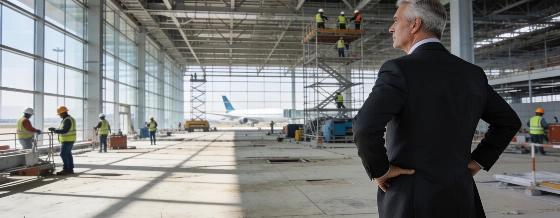
Griffiths described the transition from Dubai International Airport (DXB) to Al Maktoum International as more than just an increase in size. The aim is to improve the passenger experience and secure Dubai's place as a leading global aviation hub. The project, called a "megaproject" by Emirates News Agency (WAM), will include five runways, two passenger terminals, seven concourses, and about 430 aircraft stands. The airport is also targeting a cargo capacity of 12 million tonnes per year.
Al Maktoum International to surpass DXB
The first phase of Al Maktoum International is scheduled to open at the start of the next decade, with an initial capacity of 150 million passengers per year-already more than DXB's current maximum of 115 million. The full plan includes five runways and eight operational nodes, each built for 32 million passengers, allowing the airport to expand as needed. ARN News Centre reports that the second runway will open in 2027, marking a key milestone. The first phase is now officially targeted for completion in 2032, based on updated government timelines.
Griffiths confirmed that the second runway will be ready by the end of 2027, supporting the first group of airlines moving to the new airport. He said the goal is for Al Maktoum to be known not only as the world's largest, but also as the best, with the passenger journey central to every decision. Dubai's leadership has emphasized the project's importance for the city's global competitiveness.
Transition plan and operational impact
The move from DXB to Al Maktoum will happen in stages, with new capacity added over time. flydubai is expected to be among the first airlines to expand at the new airport, possibly moving five or six aircraft as early as next year. This gradual approach is meant to avoid disruption and allow both Emirates and flydubai to keep growing as DXB reaches its limits. According to Khaleej Times, the transition will take place over several months to maintain service and operational stability.
Once Al Maktoum's first phase reaches 150 million in capacity, all operations will shift from DXB. Griffiths stressed that the process will be managed carefully over several months to ensure continuity. The UAE's General Civil Aviation Authority (GCAA) and other regulators are closely involved to maintain safety and compliance throughout the transition.
Passenger growth and resilience
Dubai International Airport has shown it can recover quickly from regional challenges, handling 31.5 million passengers in the first half of 2026. Monthly traffic rose from 5 million in June to 6.3 million in July, a 26% increase in just one month. Airline capacity is up 84% from previous levels, and passenger numbers are at 78% of their pre-disruption peak. The airport expects to reach 70 million passengers in 2026, with 100 million in sight for 2027, according to UA News and Emirates News Agency (WAM).
Despite recent regional instability, the split between transit and origin-destination passengers remains about 50-50, showing Dubai's dual role as both a destination and a global connector. This stability is credited to coordinated policy changes and investment incentives from the Dubai government and the Central Bank of the UAE (CBUAE), which continue to attract high levels of foreign investment in aviation and logistics.
Technology to ease airport bottlenecks
Griffiths is counting on technology to change the airport experience. The plan is for a seamless, queue-free journey, using facial recognition and automation to replace traditional check-in and security lines. "We want the airport experience to feel more like arriving at a hotel lobby than standing in line," he said. This approach fits with the UAE's broader digital transformation goals, as noted in recent DMO and WAM updates.
Artificial intelligence and new technologies will be built in from the start, with the airport's design allowing for future upgrades. Dubai Airports is already working with airlines to launch new direct routes to Europe and Africa, using advances in aircraft technology to expand the city's reach. The National reports that these efforts are expected to strengthen Dubai's position as a major international hub.
Strategic context and leadership engagement
The Dubai Media Office's International Media Briefings, where Griffiths made this announcement, are part of a wider effort to give journalists direct access to city leaders. Mona Ghanem Al Marri, Director General of the Dubai Media Office, said the initiative is meant to offer clear insight into Dubai's priorities and the thinking behind its rapid growth.
Hind Fekri, who moderated the session, pointed to the value of open dialogue between media and officials, presenting Dubai as a model for transparent, knowledge-based engagement on the future of key sectors. The UAE's focus on transparency and innovation is also seen in its regulatory frameworks, such as those managed by the Dubai Financial Services Authority (DFSA) and the Virtual Assets Regulatory Authority (VARA), which support the city's ambitions in both aviation and the digital economy.
Dubai's aviation strategy is focused on setting new standards for how cities connect and serve travelers. The city's investment in infrastructure, technology, and operational resilience is a direct challenge to global competitors who are satisfied with smaller upgrades.