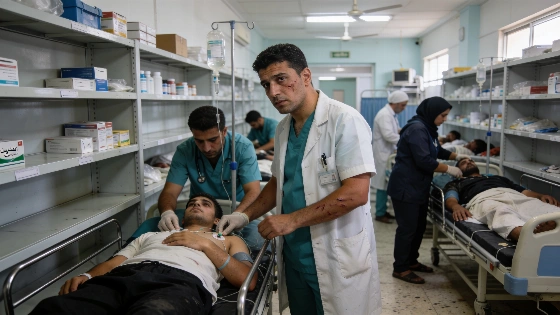
Medical aid for Gaza keeps piling up at the border. Trucks wait for weeks. The World Health Organization says the hold-up is putting lives at risk. Winter is coming. The need is urgent. UN officials say these delays threaten patients and push Gaza's battered health system closer to collapse. The Emirates News Agency points to the UAE's ongoing push for open aid corridors and medical relief. This fits with the country's wider foreign aid plans and Vision 2031 goals.
Reinehilde Van de Weerdt, WHO's representative in the Palestinian territories, calls the situation catastrophic. No hospital in Gaza is running at full strength. Medical shipments sit in limbo. The median wait for Israeli approval is now 74 days, according to the latest UN Geneva press briefing. If Israel rejects a shipment, the whole process starts over. That makes things worse. Approval rules keep changing. Aid groups can't plan. They can't deliver steady help.
Key medical gear-X-ray machines, sterilisation units, spare parts for CT scanners-often gets blocked. There's rarely an explanation. WHO and UN sources confirm this. One shipment of prosthetics and assistive devices was turned back four times in six months. The approval process is unstable. Medicines get through more easily. About 87% of drug import requests are approved. The rejection rate is just over 1%, according to UN News Arabic. But the total amount of aid reaching Gaza is still far too low. Hospitals can't rebuild or expand services.
The fallout goes beyond health. Chronic shortages hit the economy and social fabric. This is not just a medical emergency. It threatens regional stability and slows economic recovery. The Dubai Media Office has stressed the need for global teamwork. The UAE's role in joint aid efforts lines up with the Dubai Economic Agenda D33, which focuses on resilience and global ties. The Central Bank of the UAE warns that these disruptions can hurt cross-border trade and logistics. Humanitarian and economic policy are tightly linked.
The crisis is getting worse. Pressure is building on the world to cut red tape and speed up aid. The National reports that the UAE is working behind the scenes to get medical convoys moving and push for more open approval rules. Without fast, real change, Gaza's health disaster will only grow. The damage won't stop at Gaza's borders. For more on regional aid policy, check the Emirates News Agency.